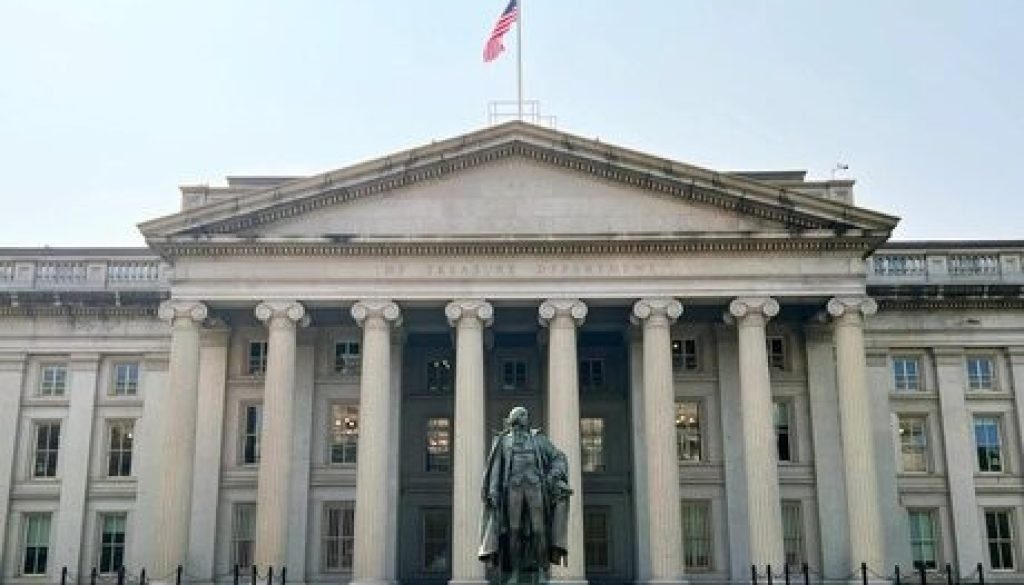
U.S. Treasury Department proposes GENIUS Act stablecoin rule
cointelegraph.com – Aug 18, 2026
The Treasury proposal would establish some of the core definitions and jurisdictions in the law Congress completed last year.
- The first major proposal to implement the GENIUS Act has emerged from the Treasury Department, marking a significant milestone in the process to put U.S. stablecoin regulations in place.
- The administration — including banking and markets regulators — are well past the one-year deadline set out in the law, which expired last month, but the regulators are making steady progress to implement the rules for operating U.S. stablecoin issuers.
The U.S. Department of the Treasury has taken another big step toward implementing the new stablecoin law, proposing federal definitions on what it means to issue U.S. stablecoins and who needs to follow the rules set out in the Guiding and Establishing National Innovation for U.S. Stablecoins (GENIUS) Act, even as the law’s deadlines are fast approaching.
The department is among several government entities and agencies that must put rules in place before the stablecoin industry’s U.S. law is in full effect, also including the banking and markets regulators.
Treasury Secretary Scott Bessent said Monday the administration is trying to move quickly to put the rules in place “as we work to provide the regulatory certainty businesses need to innovate and grow in America, cement the role of the U.S. dollar as the world’s reserve currency, and keep America the crypto capital of the world,” according to a statement.
The proposal said the department tried to treat stablecoins as a new arena, though it studied established securities laws as a reference point, with their “longstanding legal regimes that address the issue, offer, and sale of other financial instruments, such as securities, including offshore activities.”
However, the proposal notes, “Treasury believes that the Act evinces a clear intent for payment stablecoins to serve as an effective means of payment and settlement, including across borders, and application of traditional investment rules to payment stablecoins may frustrate that goal.”
Monday’s action is a follow-up to the Treasury advance notice of the rule, which it issued in September of last year on what was meant to be a tight timeline. The public and the growing industry of stablecoin issuers now have 60 days to weigh in with comments, and the department will be expected to take further months to review them before issuing a final rule.
The proposed rule poses dozens of questions about the best approach to interpreting the law, each of which must be answered before the final sign-off. The industry will pay special attention to how it approaches foreign issuers, such as industry leader Tether. It set a deadline for responses in mid-October.
The law’s one-year target to have its rules implemented passed last month, without the administration meeting the requirement. The next mark is the effective date of the law, which is supposed to come by January 18. It’s unlikely that all the rules will be finalized by then, and new regulations usually come with runways allowing an industry to transition into them.
The process of implementing GENIUS exists in a delicate space alongside the effort in Congress to pass its Digital Asset Market Clarity Act that would actually rewrite some portions of GENIUS — most notably its treatment of rewards programs for stablecoin customers on exchanges. However, the Clarity Act is on shaky ground after having failed to begin key votes earlier this month, before the Senate scattered for its August recess.