
Russian Banks Still Unsure About Digital Ruble as Central Bank Sets Rollout Date
Russian banks are worried they will be burdened with costs when the nation’s central bank rolls out its CBDC, the digital ruble, next year.
The bank last week said that it would release the coin to the public on July 1, 2025.
Digital Ruble Doubts?
The radio broadcaster Avto Radio reported that the First Deputy Chairman of the Central Bank, Vladimir Chistyukhin, told parliamentarians that this would be the day when the CBDC “moves out of its pilot phase” and into “the mass implementation stage.”
Moscow has fast-tracked its CBDC launch, and will likely release its coin nationwide even before its ally Beijing.
With sanctions pressure rising, the Russian Central Bank appears to think that launching its CBDC will let it bypass the USD and global banking messaging networks like SWIFT.
But Russian banks appear concerned about the move. Per RIA Mo, Anatoly Kozlachkov, the head of the Association of Russian Banks, told State Duma lawmakers that Russian banks “are expressing reluctance to switch to the digital ruble.”
Kozlachkov said the “high costs” of adoption were off-putting for many large Russian commercial financial institutions.
Adoption Costs
Kozlachkov added that institutions “are concerned about the possible outflow of liquidity and the costs associated with the CBDC transition.”
Preliminary association calculations show that digital ruble adoption could cost banks an average of 100 million rubles ($963,000) each.
The association chief noted that “some banks with basic licenses” have capital holdings of “less than 300 million rubles ($2.9 million).”
“The proportions of costs for the introduction of the digital ruble should be adjusted, or approaches should be differentiated by taking into account the specifics of [each bank].”
Anatoly Kozlachkov, head of the Association of Russian Banks
Frosty Reception
However, Kozlachkov’s comments appear to have received a frosty reception from senior MPs.
The head of the State Duma’s Committee on Financial Markets, Anatoly Aksakov, said he “did not understand why the banking community” was “criticizing the digital ruble.”
The Russian Central Bank developed its first proof-of-concept started for the digital ruble in 2020.
However, the bank began to accelerate the project after the outbreak of war in Ukraine in February 2022.
Western sanctions have restricted the cross-border operations of most Russian banks. Moscow has since been forced to turn to crypto and other solutions to continue international trade.
But many of its subsequent efforts to find a more sustainable workaround with fellow BRICS members involve the use of digital fiats.
The Central Bank responded by launching its first real-world CBDC pilot to a group of 600 citizens in 11 cities in August 2023.
Pilot Expands
In September this year, the bank expanded this number to 9,000, with 1,200 businesses also joining the pilot.
In recent weeks, a select group of Russian companies has begun using the CBDC to make B2B transactions.
But even back in mid-2023, the bank had already targeted a 2025 rollout. The Central Bank has also warned that businesses will be forced to accept CBDC payments, and will be fined for non-compliance.
Moscow has witnessed no shortage of pushback from commercial banks, however. The same association has already expressed its displeasure at the fast-tracked rollout.
When the August 2023 pilot launched, major players like Sberbank were conspicuous by their absence.
Sberbank has since joined the pilot’s “second stage.” But, as has been the case with commercial banks elsewhere in the world, Russian banks appear skeptical about CBDCs.
Not All Banks Unsure?
Regardless, many appear to feel they have no choice but to comply with the Central Bank’s wishes, and are rushing to get to grips with the coin.
Earlier this month, 59i, a media outlet based in Perm, reported that Rosselkhozbank has recently conducted its first “operations with the digital ruble.”
Rosselkhozbank said that a group of “individual and legal entity clients” used the coin to “buy food and train tickets,” as well as make peer-to-peer transfers.
“The digital ruble opens up a new horizon of opportunities for both the entire financial sector and for each bank client. The mechanics of handling the digital ruble will not differ from [conventional] transactions. We are responding to the requests of our users to make the process seamless and understandable.”
Nikolay Ulyanov, Deputy Chairman, Rosselkhozbank



















 أفادت هيئة الإحصاءات الحكومية الروسية، بأن الناتج المحلي الإجمالي للبلاد إرتفع 5.4 % على أساس سنوي في الربع الأول من العام 2024، بعد نموه 4.9% في الربع الأخير من العام الماضي (2023). وكان الناتج المحلي الإجمالي لروسيا قد إنكمش 1.6 % في الربع الأول من العام الماضي (2023).
 توقعت وكالة «إس آند بي غلوبال للتصنيفات الإئتمانية» أن تستمر شركات التأمين الإسلامية الخليجية في الإستفادة من العديد من العوامل الإيجابية خلال 6 – 12 شهراً المقبلة. وتشمل هذه العوامل إستمرار الظروف الإقتصادية المواتية التي تؤدي إلى زيادة الطلب على التأمين، وذلك بفضل الإستثمارات المستمرة في مشاريع البنية التحتية والنمو السكاني والمبادرات التنظيمية، موضحة أن قطاع التأمين الإسلامي قد ينمو في منطقة الخليج بنحو 15 % – 20 % في العام 2024، مع إيرادات تتجاوز 20 مليار دولار، متوقعة أن تكون السوق السعودية، كما كانت الحال في العامين الماضيين، المحرّك الرئيسي لنمو الإيرادات في منطقة الخليج.
 في حين لا يزال القطاع المصرفي يشعر بالتداعيات الناجمة عن سلسلة إنهيارات البنوك التي شهدها العام الماضي (2023)، إلاّ أن 315 بنكاً نجحوا في الظهور في قائمة «فوربس غلوبال 2000» التي ترصد أكبر ألفي شركة في العالم في عدد من القطاعات، وهذا إرتفاعاً من 302 بنك في العام 2023.
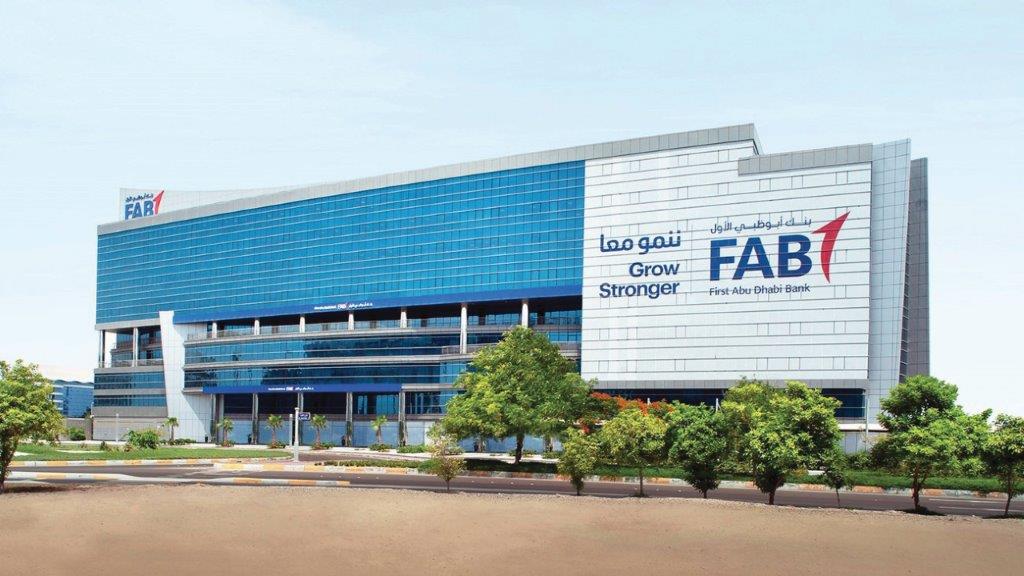 حلّت 6 بنوك إماراتية في قائمة أفضل 25 بنكاً في الشرق الأوسط في العام 2024، وهي قائمة فرعية أصدرتها مجلة «ذا بانكر» ضمن تقريرها الشامل عن أفضل ألف بنك في العالم.
 حقّقت الشركات في الشرق الأوسط مستويات أقل من ناحية معدلات الضائقة بلغت 8.9 %، خلال النصف الأول من العام الحالي (2024) مقارنة مع نظيراتها في العديد من المناطق الأوروبية، وذلك رغم إرتفاع عدد الشركات التي تعاني سوء الأداء في المنطقة العربية مما يعكس التحدّيات الإقتصادية الأوسع.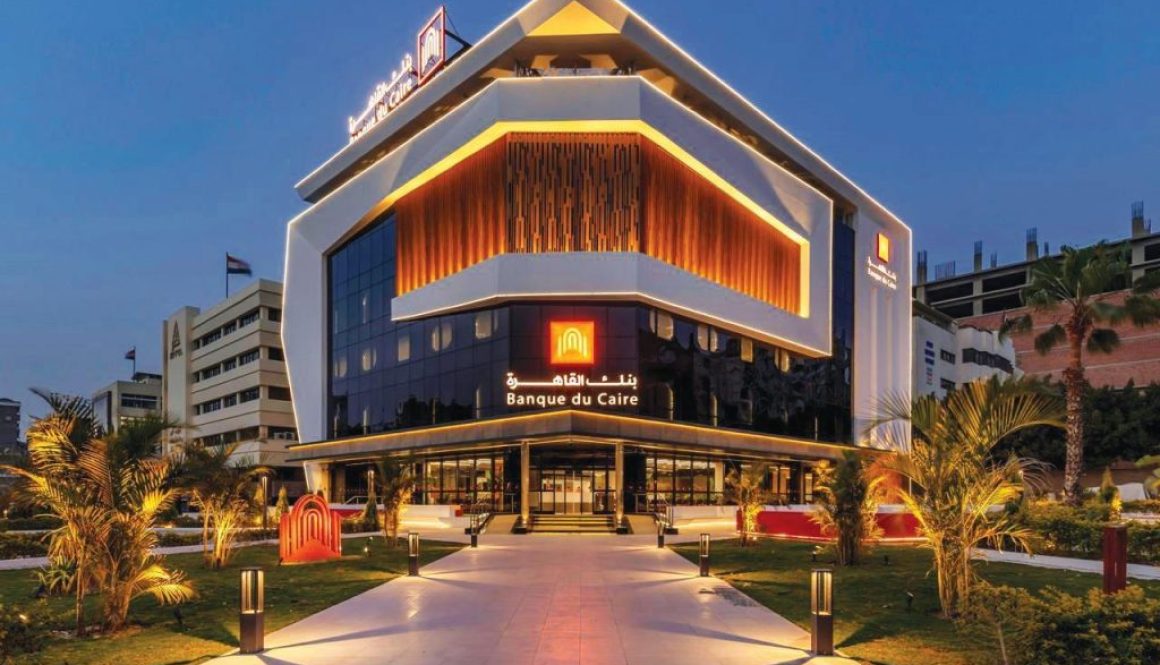
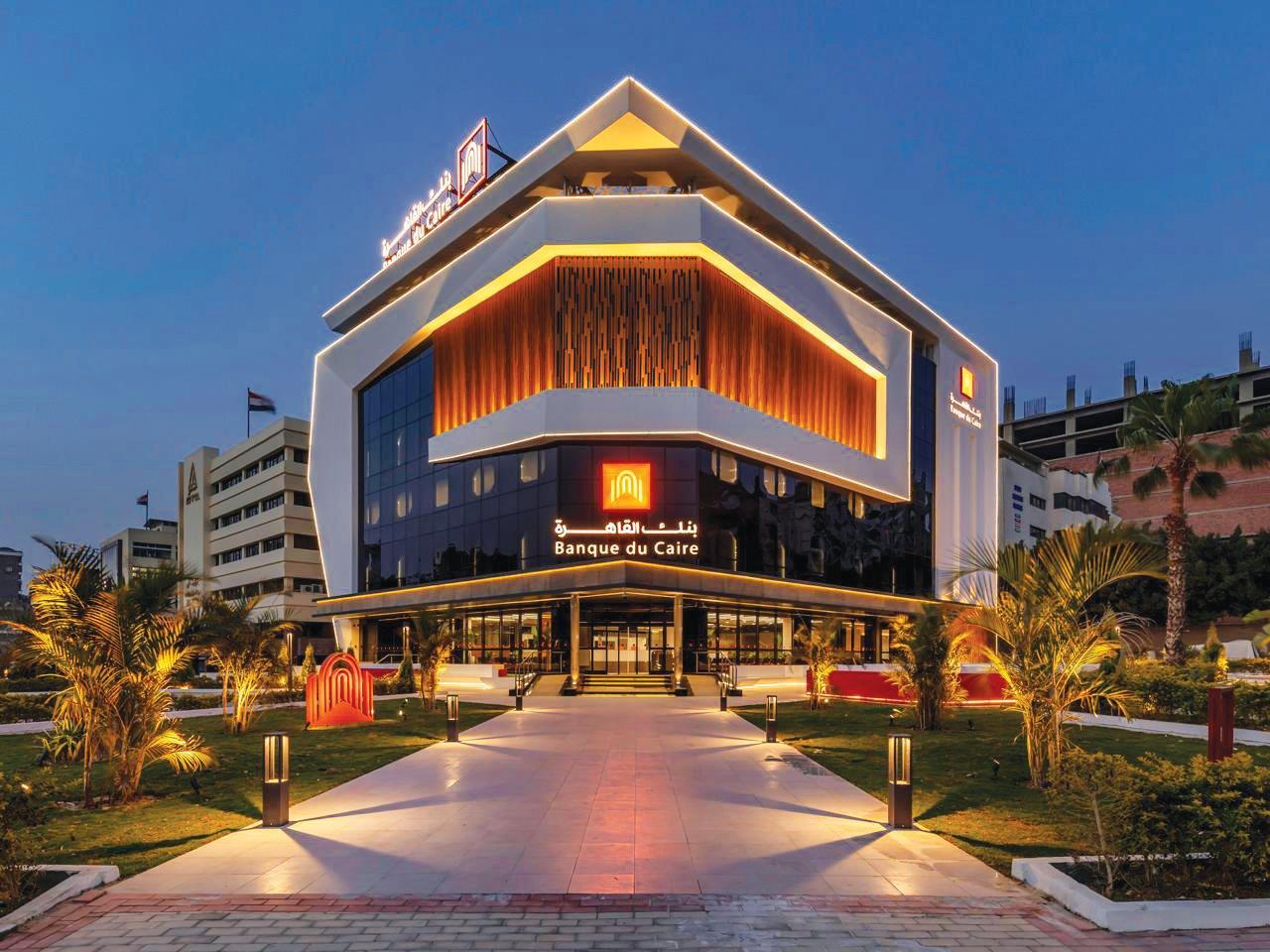 واصل بنك القاهرة تحقيق معدلات نمو قوية خلال مسيرة نموه المستدام، محققاً بذلك قفزة نوعية على مستوى نتائج الأعمال لكافة القطاعات خلال النصف الأول من العام 2024، ليُعزّز بذلك مكانته الريادية كأحد أهم البنوك الحكومية في السوق المصرفية المصرية.

 أعلنت مؤسسة التمويل الدولية (IFC) والبنك الأوروبي لإعادة الإعمار والتنمية (EBRD) عن تحالف إستراتيجي بينهما للإستثمار بنسبة 8.92 % من أسهم بنك فلسطين. ويُعد هذا الإستثمار توجهاً إستراتيجياً تتخذه مؤسستا التمويل الإنمائي الدولية، بهدف مواصلة تعزيز قاعدة رأس مال بنك فلسطين، وذلك دعماً لدوره في جهود التنمية الاقتصادية والتعافي، الذي يتضمّن إعادة الإعمار في فلسطين، بالإضافة إلى توجُّه البنك نحو التوسع إقليمياً في دول مجلس التعاون الخليجي وشمال أفريقيا وشرقي البحر المتوسط.
 قالت الحكومة الأميركية في تحديث لتقديرها الأولي، إن الاقتصاد نما في الربع الثاني من العام 2024 بمعدل سنوي قوي بلغ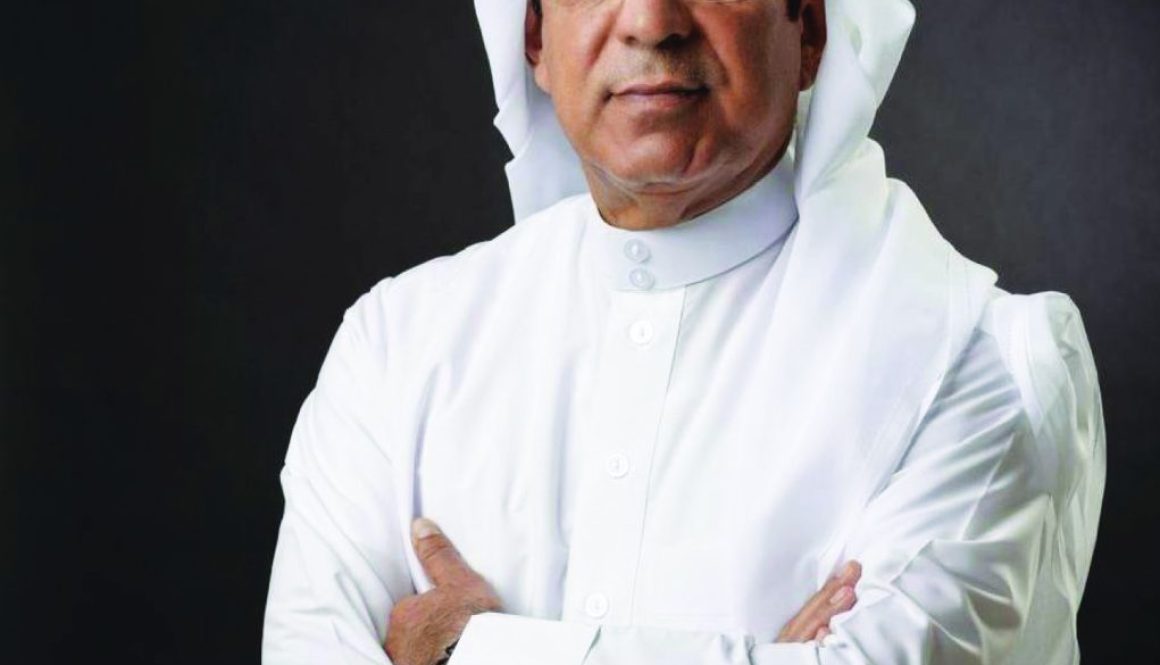
 قال العضو المنتدب الرئيس التنفيذي لـ «البنك العربي الوطني (إيه إن بي)»، عبيد بن عبد الله الرشيد: «إن الأداء الإستثنائي والتاريخي الذي حقّقه البنك مؤخراً، جعله من بين أفضل البنوك السعودية للنمو في الأرباح على أساس سنوي وربعي، بعدما حقّق أرباحاً خلال العام 2023 تجاوزت 1.1 مليار دولار، هي الأعلى في تاريخه».
 أعلن البنك الأهلي السعودي– SNB، أكبر مؤسسة مالية في المملكة العربية السعودية، إطلاق أعمال مصرفية نيو الرقمية Digital Banking NEO، تجربة مصرفية رقمية غير مسبوقة، في إطار إستراتيجيته الرامية إلى تعزيز خطوات التحوُّل الرقمي كإحدى الأولويات الإستراتيجية لرؤية المملكة 2030 في حضور محافظ البنك المركزي السعودي أيمن السياري.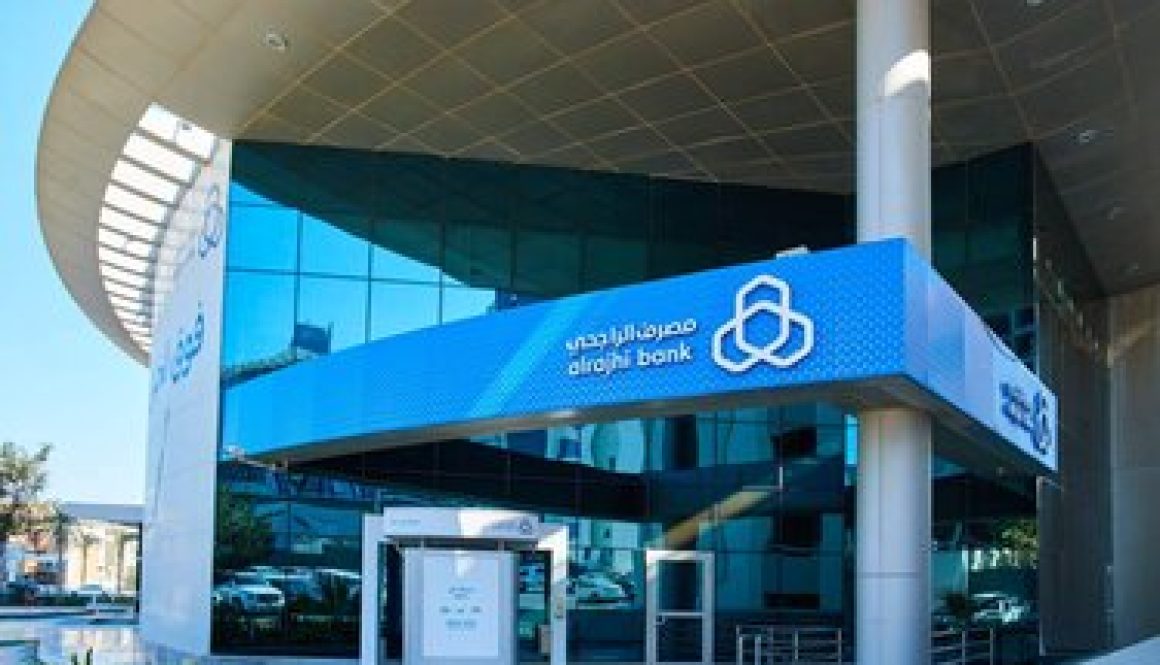
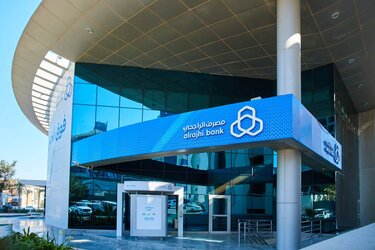 إرتفع صافي أرباح مصرف «الراجحي» السعودي بنسبة 13 %، إلى 4.6 مليارات ريال (1.2 مليار دولار)، خلال الربع الثاني من العام الحالي (2024)، مقارنة مع 4.1 مليار ريال (مليار دولار) في الفترة ذاتها من العام السابق.
 أكد بنك «إتش إس بي سي» HSBC أن رئيس وحدة الثروات، والرئيس التنفيذي للعمليات، ورئيسة الموارد البشرية سيغادرون مناصبهم في أول تغيير كبير منذ تعيين جورج الحيدري رئيساً تنفيذياً للبنك مؤخراً وهو من الجنسية اللبنانية.