
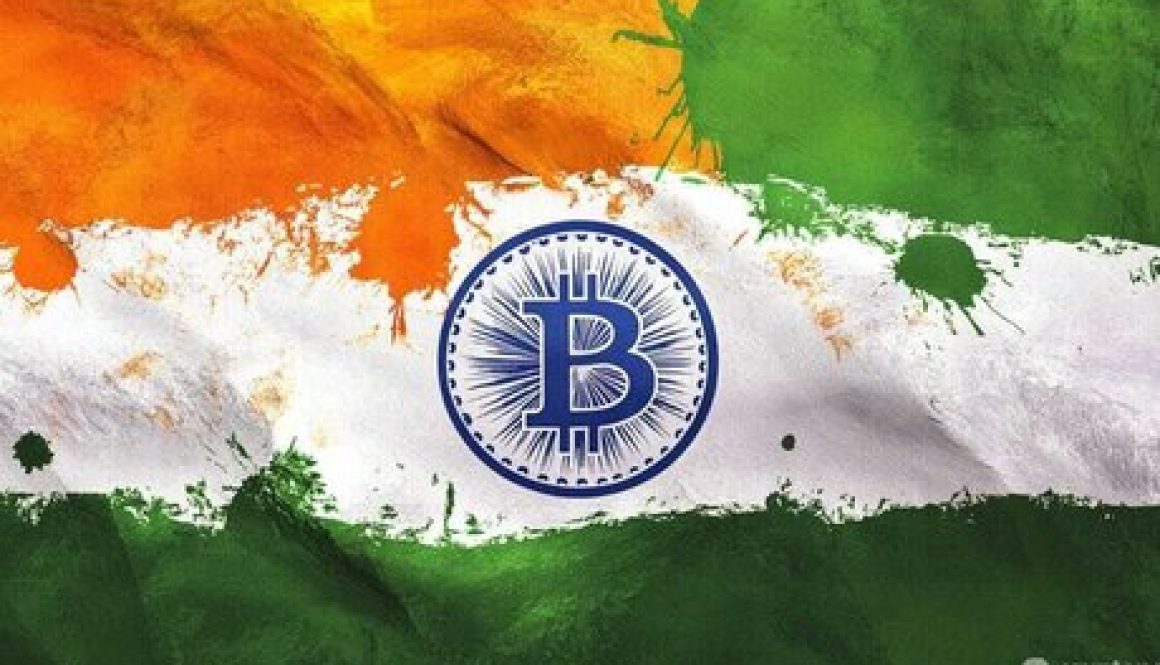
India Ranks Number One In Crypto Adoption, But Stablecoin Acceptance Needed For Growth
(Crypto News)-11/12/2024
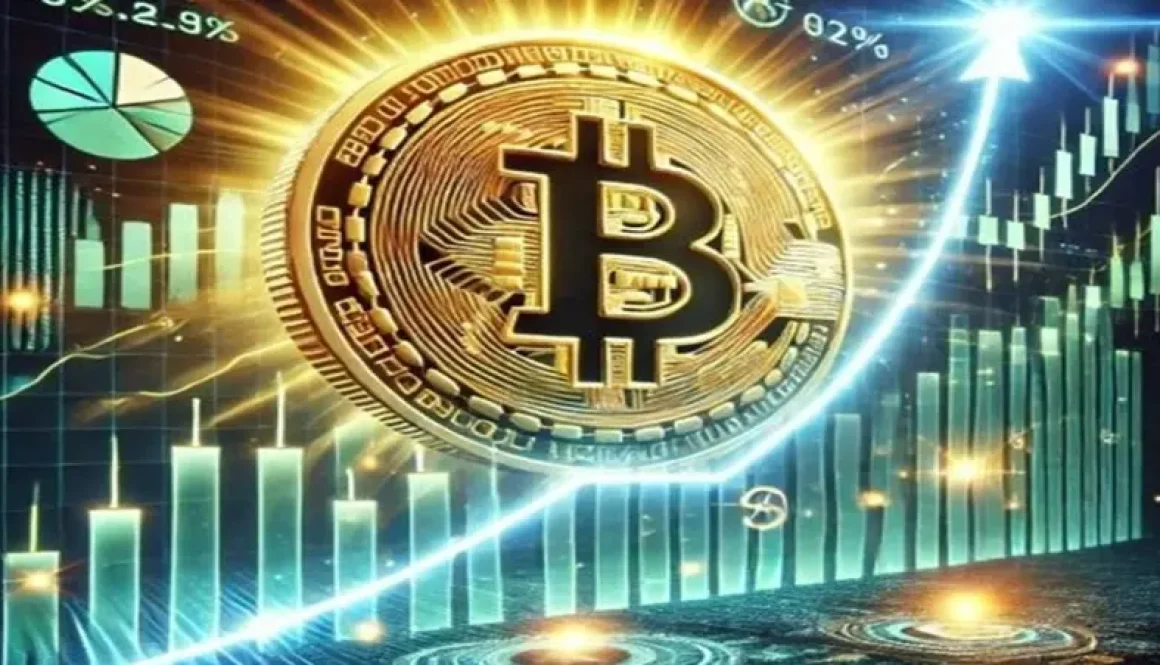
India, the most populous country in the world, is also the leader in crypto adoption globally.
According to the “2024 Global Adoption Index” report from blockchain analytics firm Chainalysis, India ranks as the number one country for crypto adoption.
Blockchain risk management firm TRM Labs also released new findings that shows India leading in crypto adoption. TRM Labs’ report notes this is due to continual growth and acceptance of digital assets throughout the region.
Data from Statista further foresees India’s crypto market revenue to reach $6.6 billion by the end of this year.
Why India Is Perfect For Crypto Adoption
Angela Ang, Senior Policy Advisor for TRM Labs, told Cryptonews that India is seeing the highest crypto volumes relative to its spending power.
“Our methodology takes the incoming crypto volume apportioned to a country based on web traffic, divided by the GDP per capita of that country to arrive at an adjusted volume which we rank countries on,” Ang explained.
She added that crypto adoption in India has always been high, due to factors such as a huge unbanked population and high mobile penetration. Statistics show that 190 million Indians remain unbanked.
Therefore,it shouldn’t come as a surprise that India is advancing in digital asset and blockchain innovation.
Rish Kumar, Head of Growth at decentralized identity platform KILT Protocol, told Cryptonews that India’s rapid involvement in the space can be attributed to its young, tech-savvy population.
“India’s population is increasingly engaged in digital finance and actively participating in areas such as decentralized finance (DeFi), crypto trading, and blockchain development,” Kumar said.
It has been noted that India has the world’s second-largest Web3 developer pool. Kumar shared that he is currently creating a strong presence in India for both KILT Protocol and Polkadot, which is the blockchain platform KILT is building on.
“Polkadot’s strong presence in India was particularly evident during India Blockchain Week, which was marked by significant community involvement,” he said. “KILT also recently hosted a highly successful hackathon in India, where developers presented impressive ideas for building on the protocol.”
Digital Asset Platforms Wish To Operate In India
In addition to innovation, digital asset platforms are setting up offices in India to break into the market there.
US-based crypto custody firm BitGo was recently in talks with India’s Financial Intelligence Unit (FIU) to expand into the country’s growing digital asset market.
BitGo discussed their interest in the region during India Blockchain Week, which took place December 4-5. BitGo’s COO, Chen Fang, confirmed that the company is having “active conversations” with the FIU about entering India’s multibillion-dollar crypto space.
BitGo’s interest in India is notable, given the recent ban on offshore crypto exchanges. On Jan. 12, 2024, India banned Binance and eight other crypto exchanges. In July, Binance registered with India’s FIU, allowing the exchange to continue operations.
WazirX, India’s largest centralized exchange, has also indicated continued growth and adoption over the past several years. In its last transparency report, the exchange noted that it experienced its highest sign up rates to date in December of 2023, and its highest trading volume in March of 2024.
India Is A Prime Market For Stablecoin Adoption
Although crypto adoption in India remains high, the region maintains strict policies and regulations around digital assets.
For instance, there is a taxation of Virtual Digital Assets (VDAs) in India. These include cryptocurrencies, nonfungible tokens (NFTs) and more. Profits from VDAs may be subject to a flat 30% tax and a 1% tax deducted at source (TDS) on the sale of crypto.
“This makes crypto adoption in the country challenging, especially given that India is a huge remittance market of over $150 billion a year that’s generally dominated by inflows into the country,” Kevin Lehtiniitty, CEO of stablecoin payments network Borderless.xyz, told Cryptonews.
Lehtiniitty added that India is a prime market for stablecoin adoption, since these assets are gaining popularity as a real-time dollar-based remittance method.
“Stablecoin adoption would drive increased consumer adoption of tools like on-chain wallets, which in turn would drive broader crypto adoption across the region,” he said. “Given the potential market size, unlocking India has been top of mind for many stablecoin companies.”
Luca Prosperi, CEO and Co-Founder of M^0 – a decentralized, on-chain protocol that powers stablecoin issuers – further told Cryptonews that stablecoins hold immense promise for small businesses in India that struggle with access to formal banking systems.
“By leveraging stablecoins for payments, small enterprises can reduce costs, avoid currency volatility, and benefit from global trade opportunities,” Prosperi said.
Regulatory Challenges Hamper Stablecoin Innovation
Although the use of stablecoins could be widely successful in India, Prosperi pointed out that ongoing debates and regulatory proposals surrounding digital assets in the region offer both opportunities and obstacles for stablecoins.
For instance, he explained that the Reserve Bank of India’s (RBI) push to ban stablecoins could present significant hurdles. Prosperi believes that the Securities and Exchange Board of India’s (SEBI) suggestion to have multiple regulatory bodies manage the crypto sector could lead to a more balanced approach in the future.
“This may enable the controlled use of stablecoins,” he said. “The final outcome will largely depend on the influence of both the RBI and SEBI in shaping policy, and whether a compromise can be reached that acknowledges the advantages of stablecoins while preserving national financial sovereignty.”
It’s also important to note that India has a central bank digital currency (CBDC) known as the Digital Rupee. While some crypto enthusiasts may view this as a “threat” to stablecoin adoption, Prosperi remarked that stablecoins could eventually be viewed as a complementary tool to government-led initiatives like the Digital Rupee.
“This could offer a hybrid approach to financial modernization,” he said.
However, Lehtiniitty believes that stablecoin adoption will take time due to India’s complex banking system and general view of cryptocurrency.
“Crypto is still viewed as an unfavorable activity; there are many unwritten bank level rules about blocking certain transactions,” he said. “This creates frustrating experiences for users and platforms alike who then abandon future attempts slowing down adoption.”
Lehtiniitty therefore believes the key to unlocking full digital asset acceptance in India will start with regulatory policy. “This will then trickle down to the banking system,” he said.



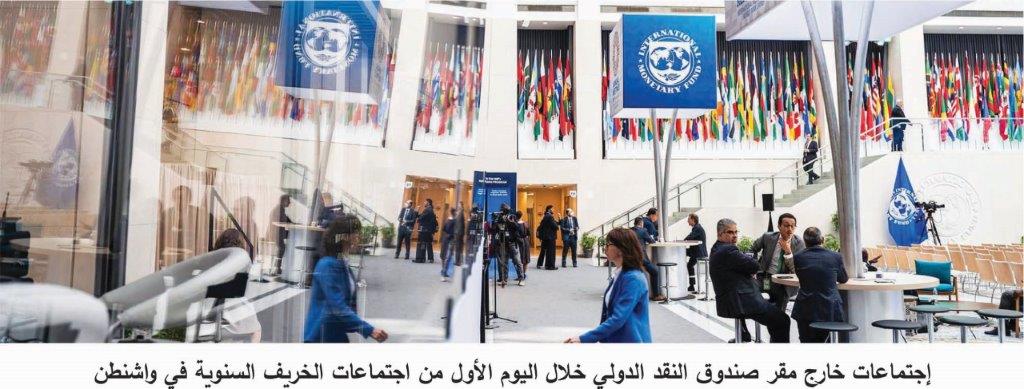 إنعقدت أعمال الإجتماعات السنوية لصندوق النقد ومجموعة البنك الدوليين في العاصمة الأميركية في واشنطن، بمشاركة نخبة من عالم الإقتصاد والمال من القطاعين العام والخاص، إلى جانب ممثلين للمجتمع المدني والأوساط الأكاديمية. وشكلت هذه الإجتماعات، التي إنعقدت في ظروف إقتصادية إتسمت بالتحدّيات وعدم اليقين، إطاراً لمناقشة القضايا المتعلقة بالتضخُّم والديون والثورة التكنولوجية، فضلاً عن التغيُّرات المناخية.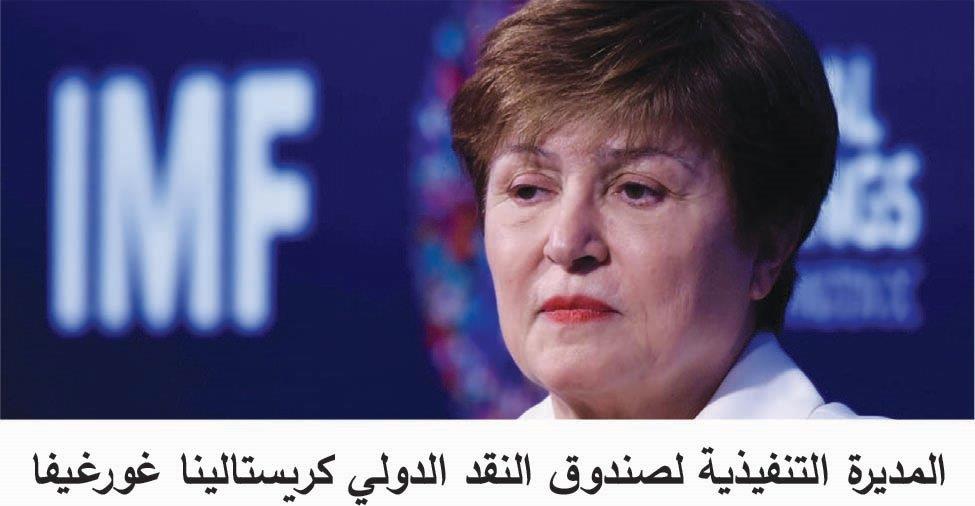
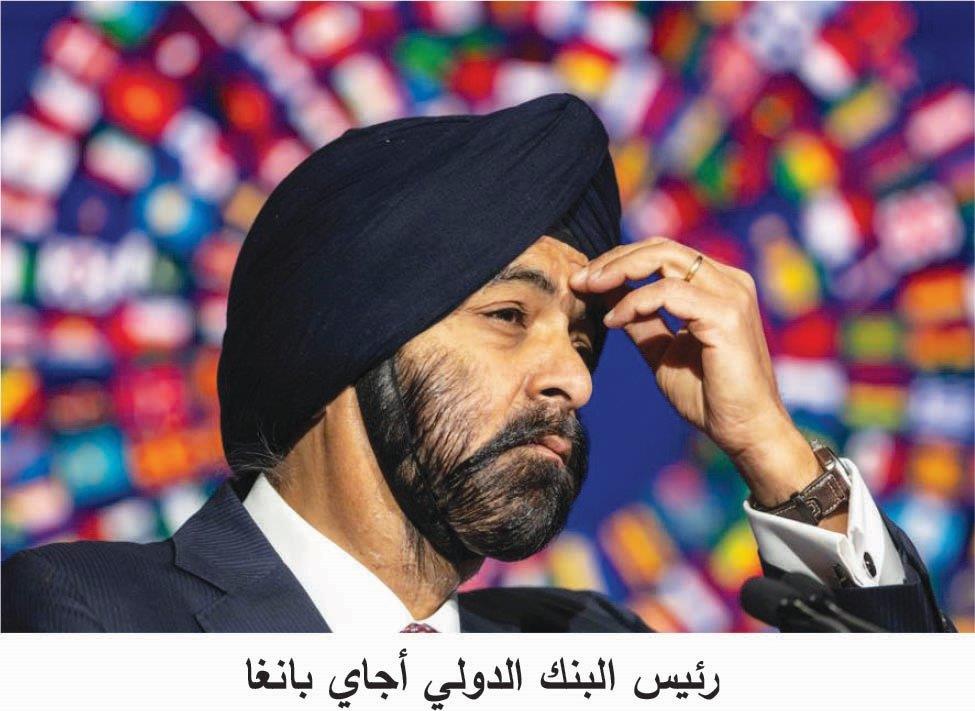
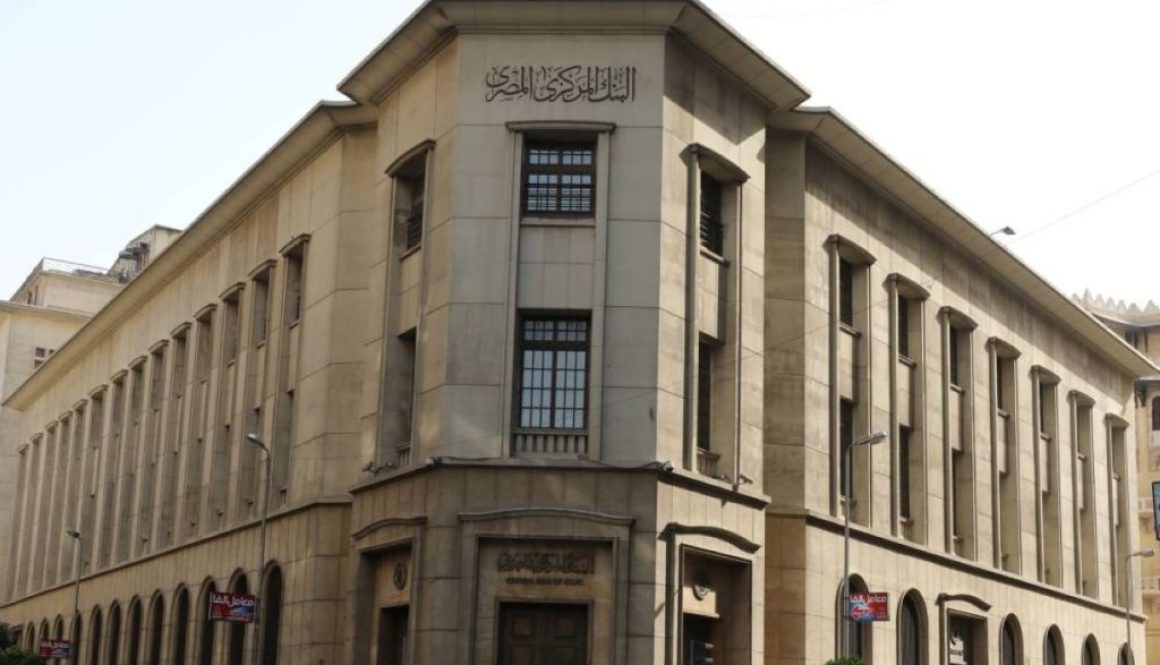






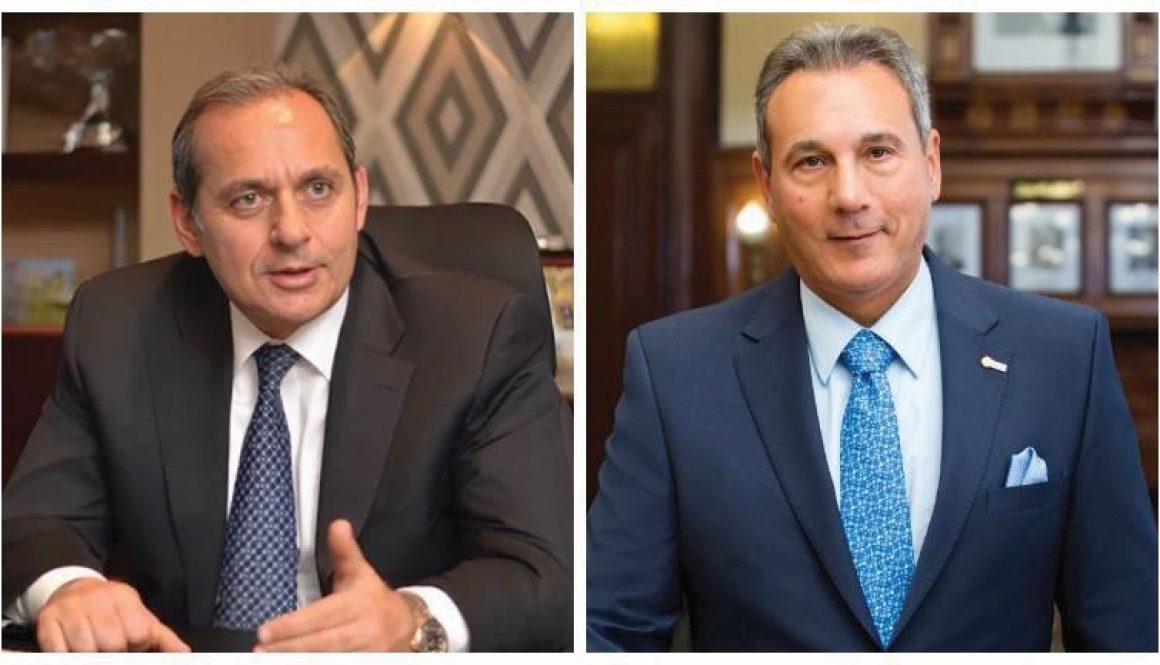
 شهدت مجالس إدارات البنوك المصرية الكبرى تغييرات مرتقبة في مناصب قيادية، شملت تبادل مراكز بين أكبر مصرفين حكوميين في مصر، بتولي محمد الإتربي، رئيس مجلس إدارة بنك مصر، منصب الرئيس التنفيذي والعضو المنتدب للبنك الأهلي المصري، وتولّي هشام عكاشة رئيس البنك الأهلي المصري منصب الرئيس التنفيذي والعضو المنتدب لبنك مصر.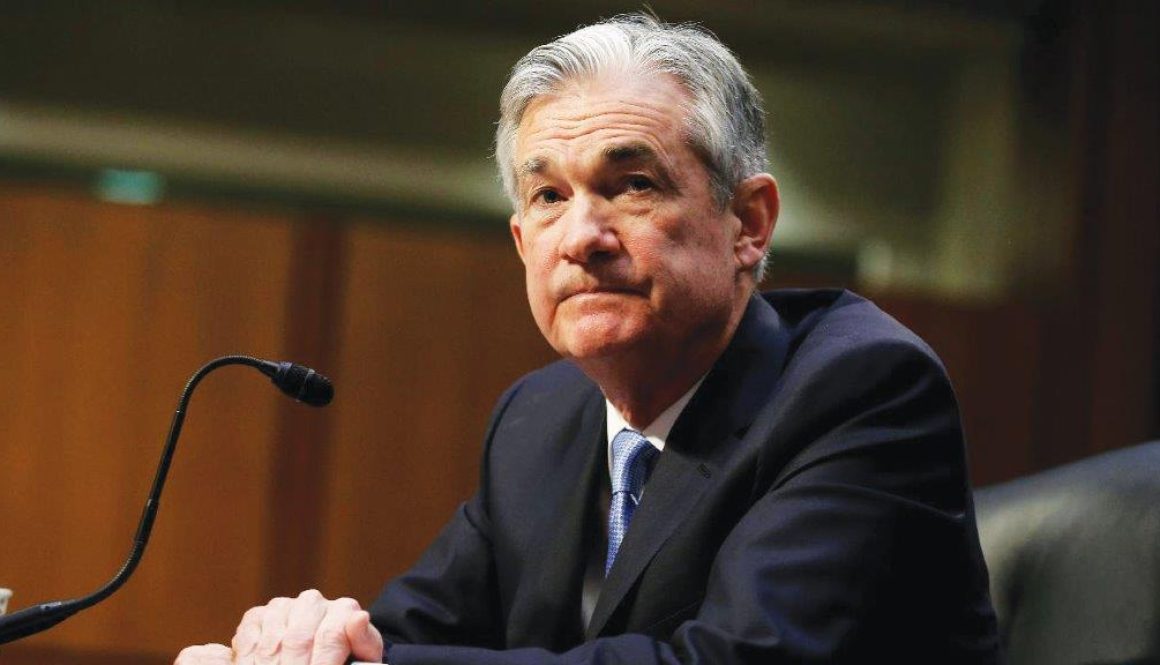
 ق
ق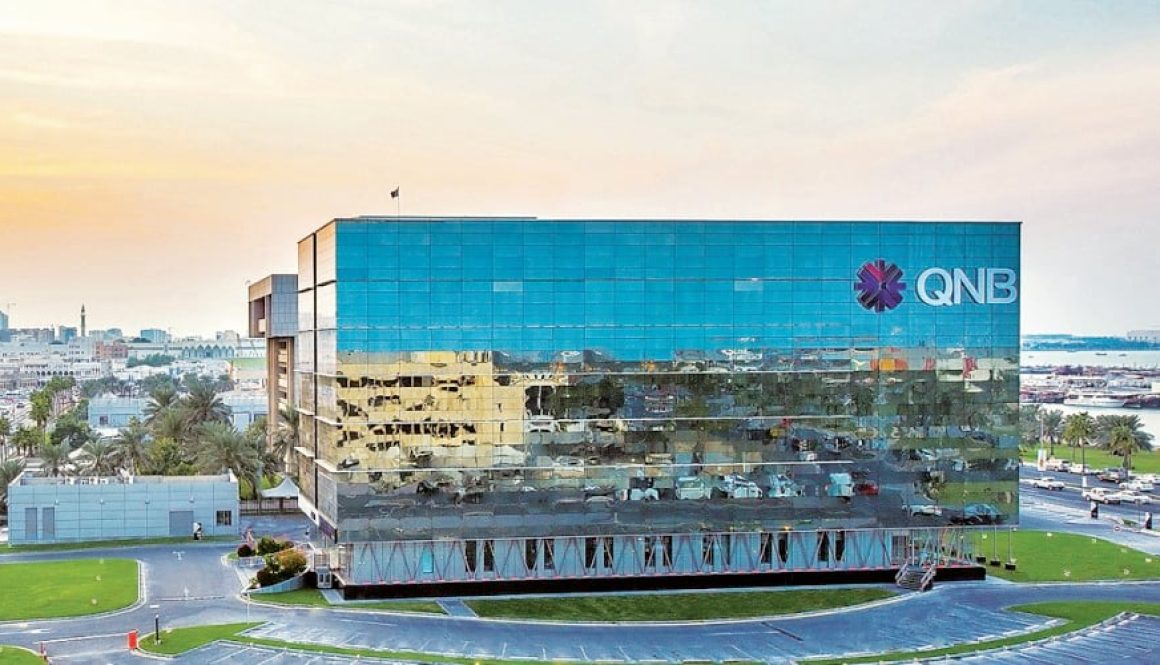
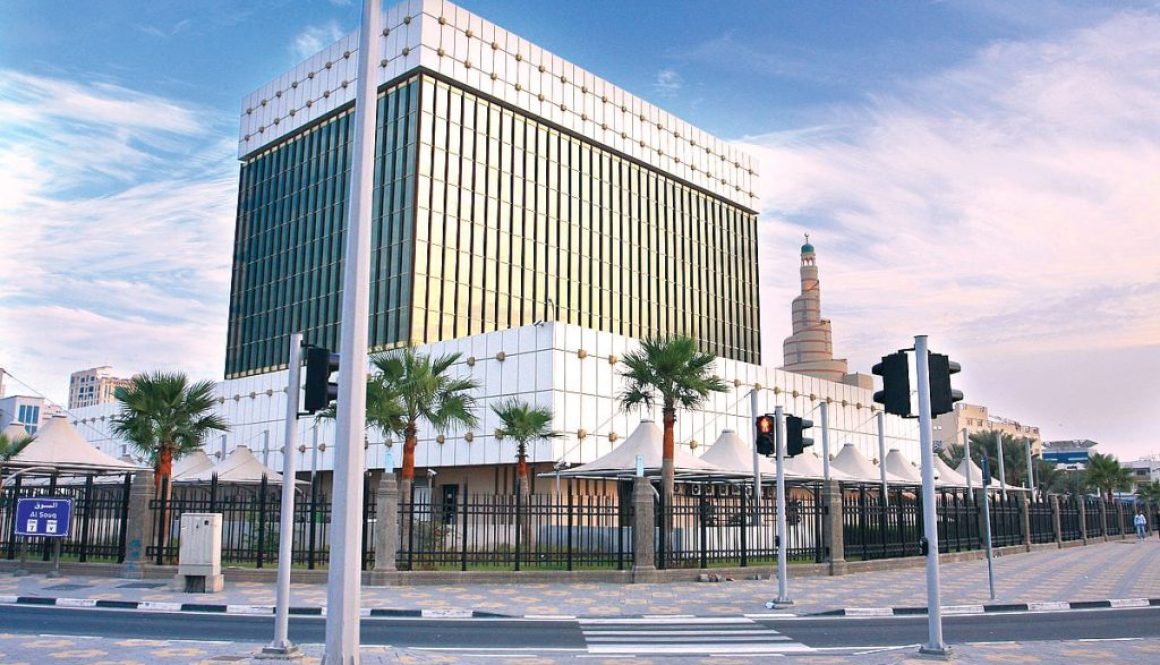
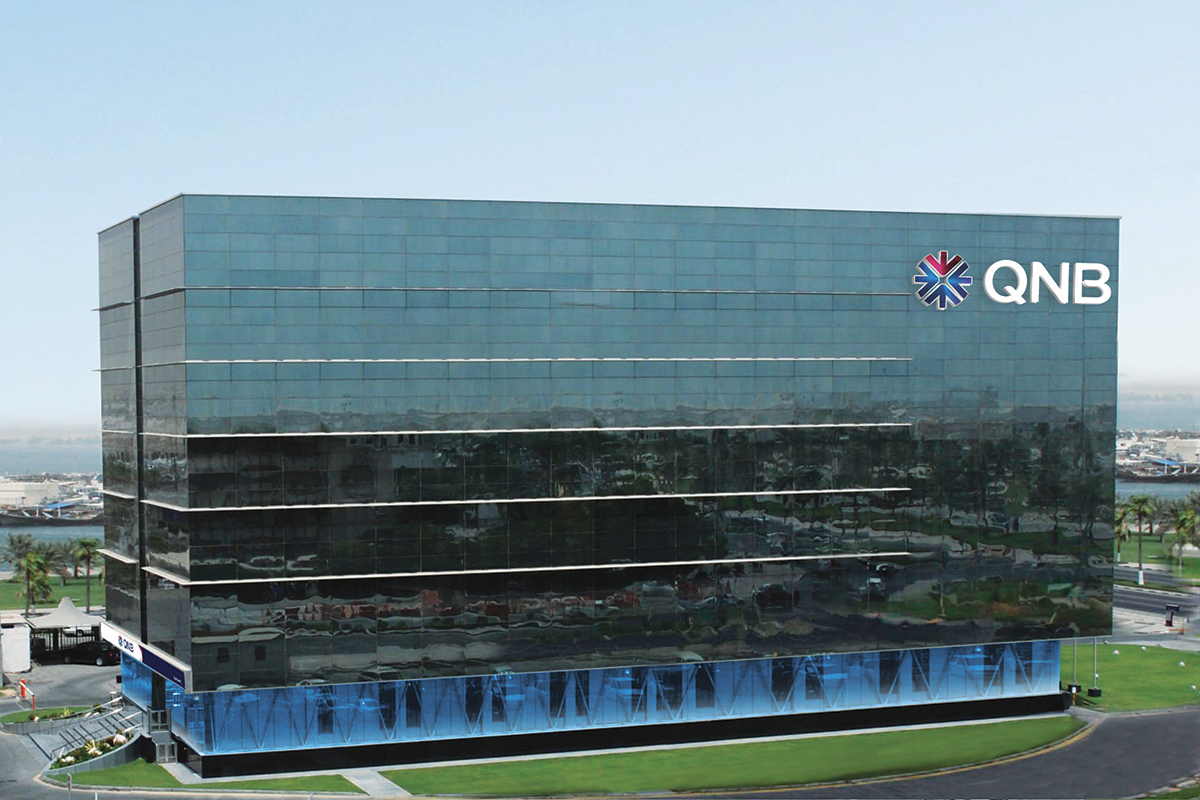 أصبحت مجموعة QNB، أكبر مؤسسة مالية في الشرق الأوسط وأفريقيا، أول بنك في قطر ينضم إلى الشراكة من أجل المحاسبة المالية للكربون (PCAF). وتعكس هذه العضوية إلتزام مجموعة QNB مكافحة تغيُّر المناخ في إطار تركيزها الإستراتيجي على الإستدامة. كما يتيح التعاون مع مبادرة الشراكة من أجل المحاسبة المالية للكربون دعم البنك لمصادقة دولة قطر على إتفاقية باريس للمناخ ومساهماتها المحددة وطنياً.

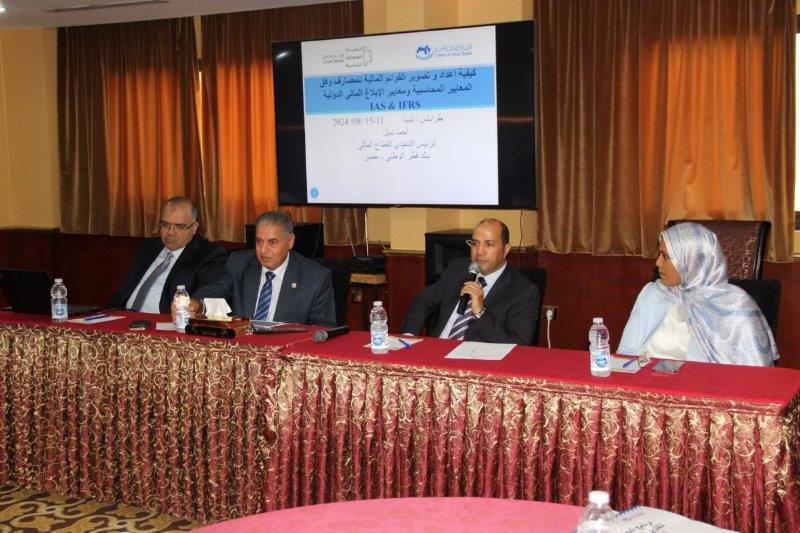
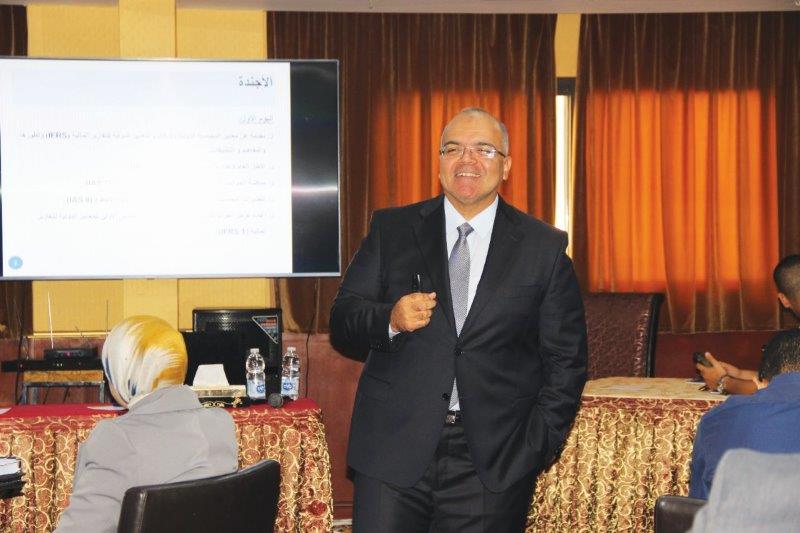
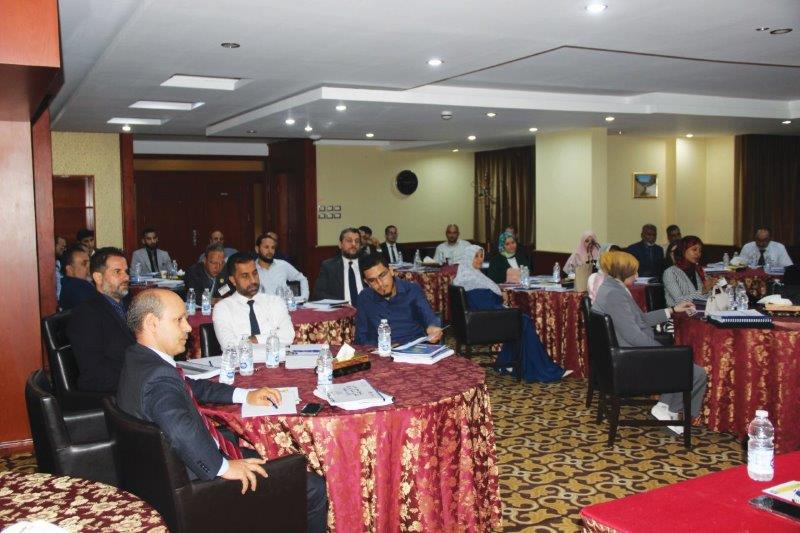
 ورزشة تدريبية في إسطنبول
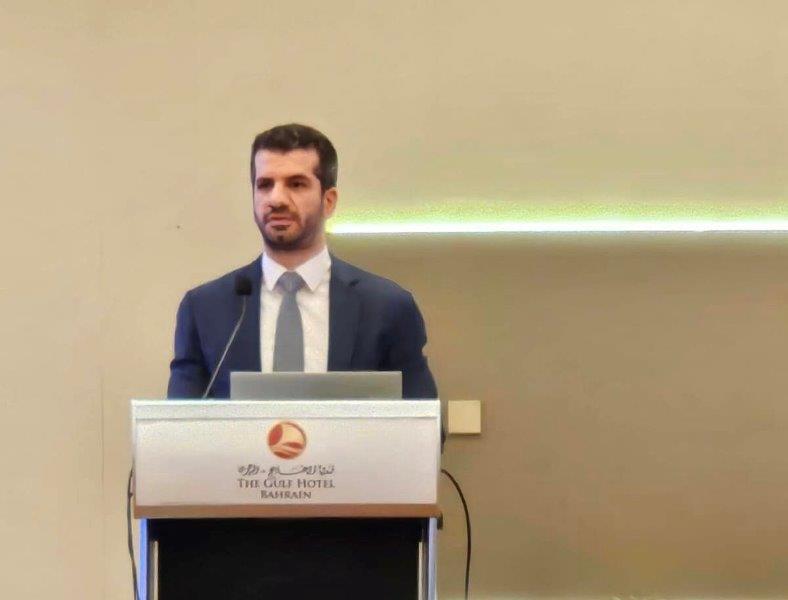 ونظم الإتحاد ورشة عمل تدريبية لمدة ثلاثة أيام، (ما بين 2 أيلول/ سبتمبر 2024، و4 منه)، في المنامة، عاصمة مملكة البحرين، بالتعاون مع مصرف البحرين المركزي، وجمعية مصارف البحرين، تحت عنوان: «مخاطر أسعار الفائدة الجديدة في متطلبات لجنة بازل IRRBB»، في حضور 57 مشاركاً من المصارف البحرينية والعربية، حيث إفتتحت الورشة زينب وهبه، مديرة التدريب في إتحاد المصارف العربية، ومحمد فخرو، مدير في مديرية الإشراف على الخدمات المصرفية للأفراد في مصرف البحرين المركزي. وحاضر في الورشةAwais Chaudhry رئيس إدارة الميزانية العمومية، وأبرز الخبراء في هذا المجال.
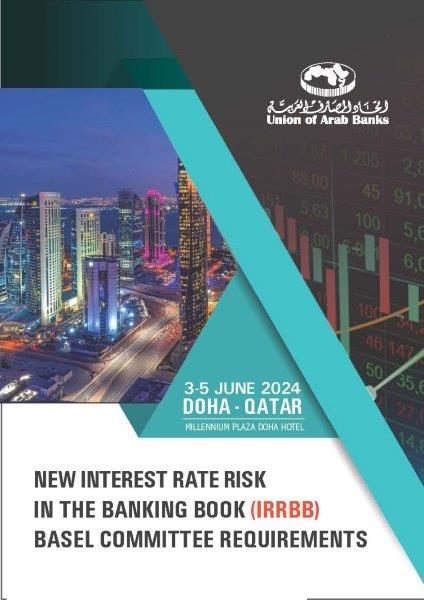 كما نظم الإتحاد ورشة عمل تدريبية في الدوحة عاصمة دولة قطر، لمدة ثلاثة أيام (ما بين 3 حزيران/ يونيو 2024 و5 منه)، حول موضوع:
 كذلك نظم الإتحاد ورشة في مدينة دبي – الإمارات العربية المتحدة، لمدة ثلاثة أيام (ما بين 3 حزيران/ يونيو 2024 و5 منه)، حول موضوع «الإدارة الفعّالة لمخاطر الجرائم المالية في الصيرفة المعاصرة»



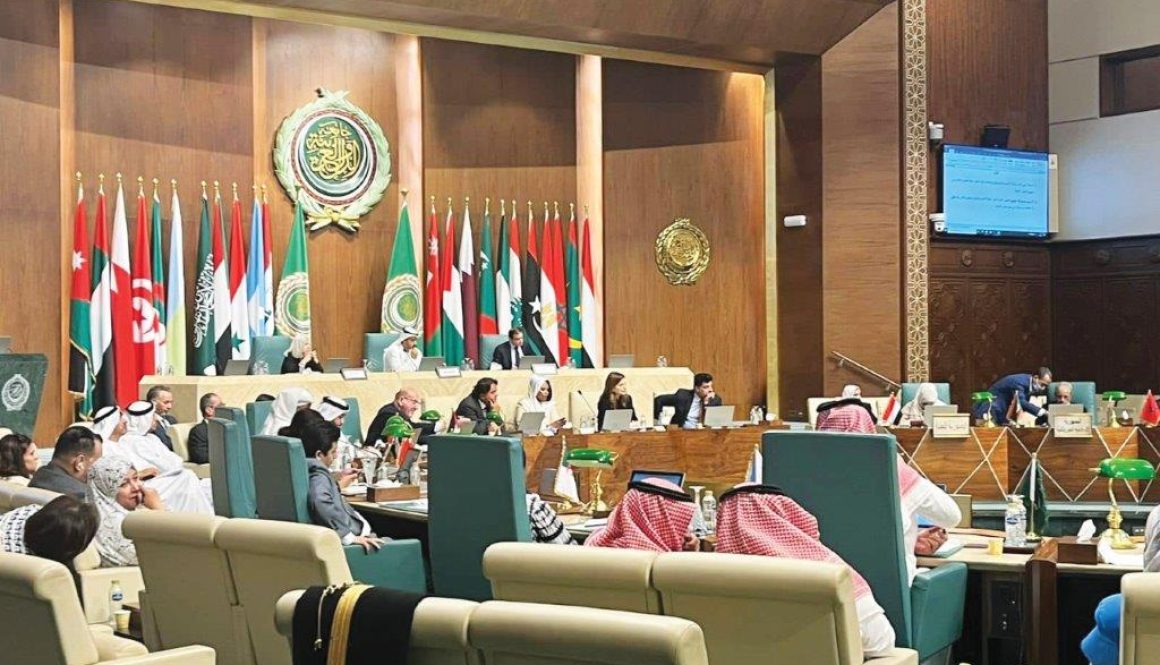
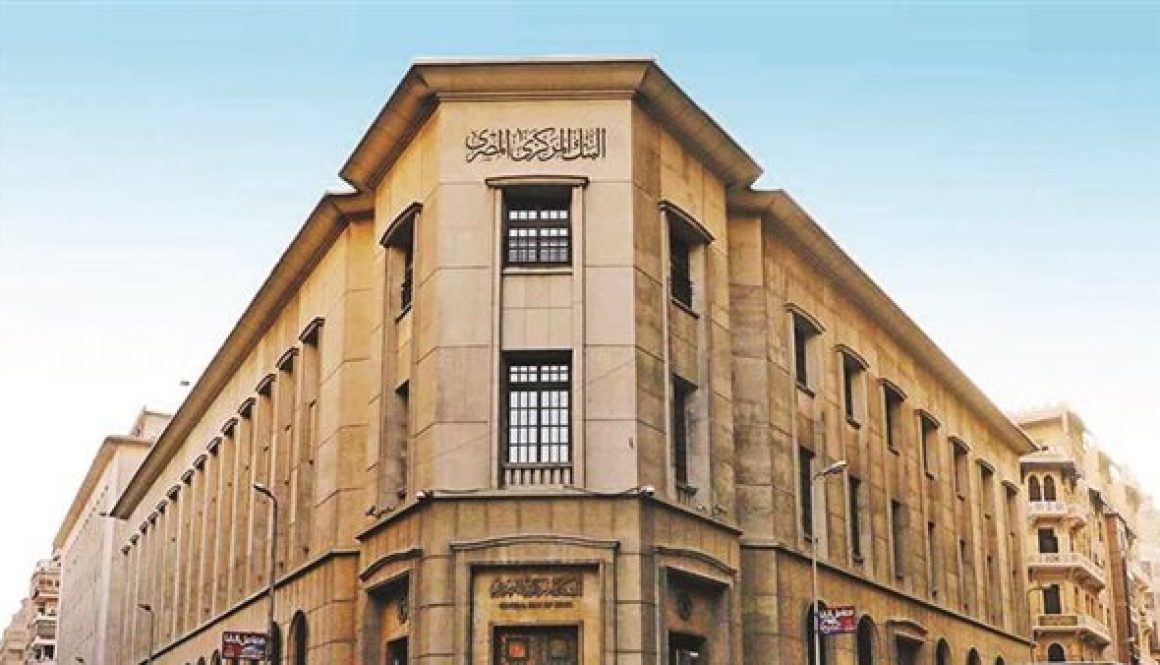
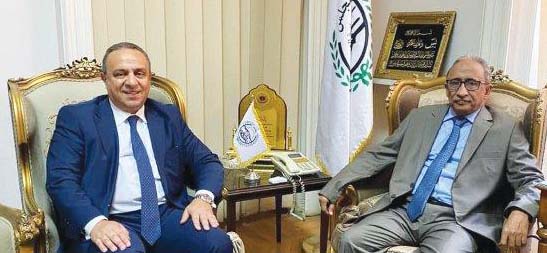
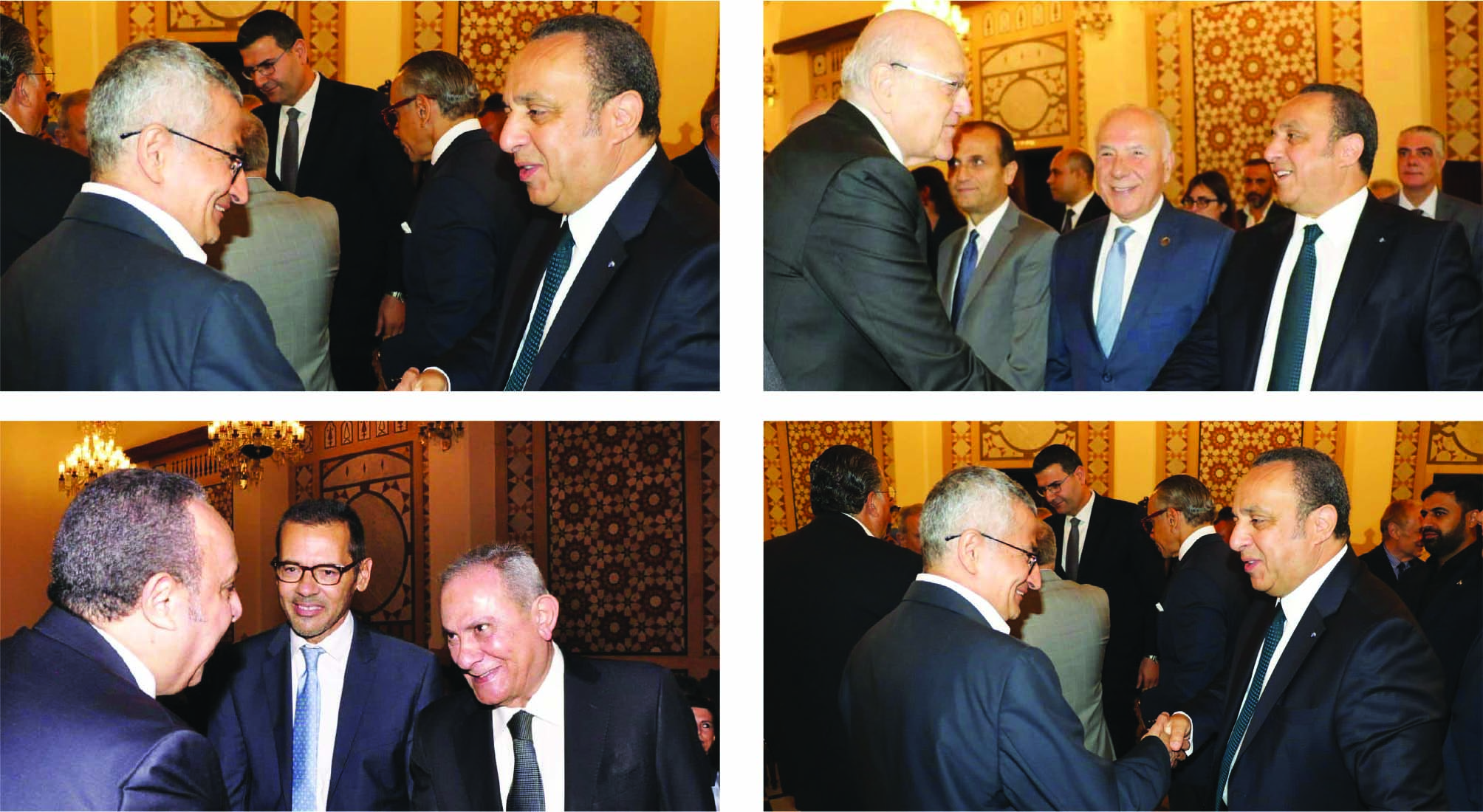
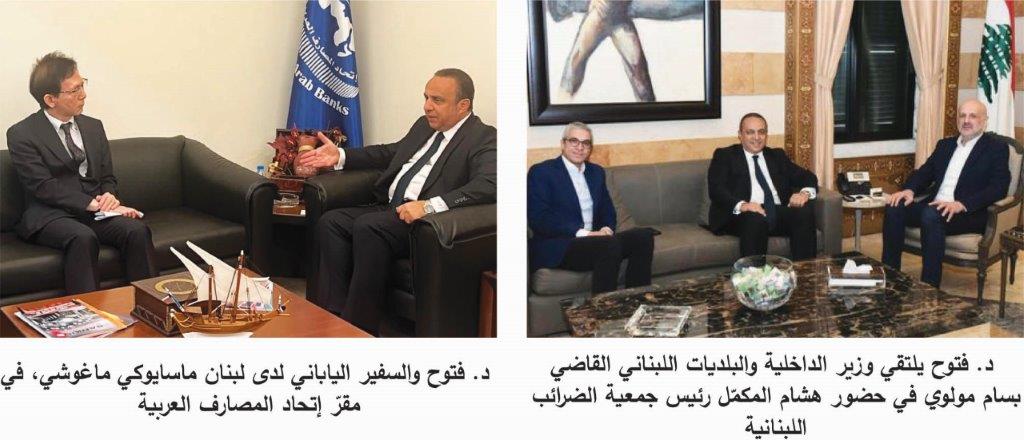
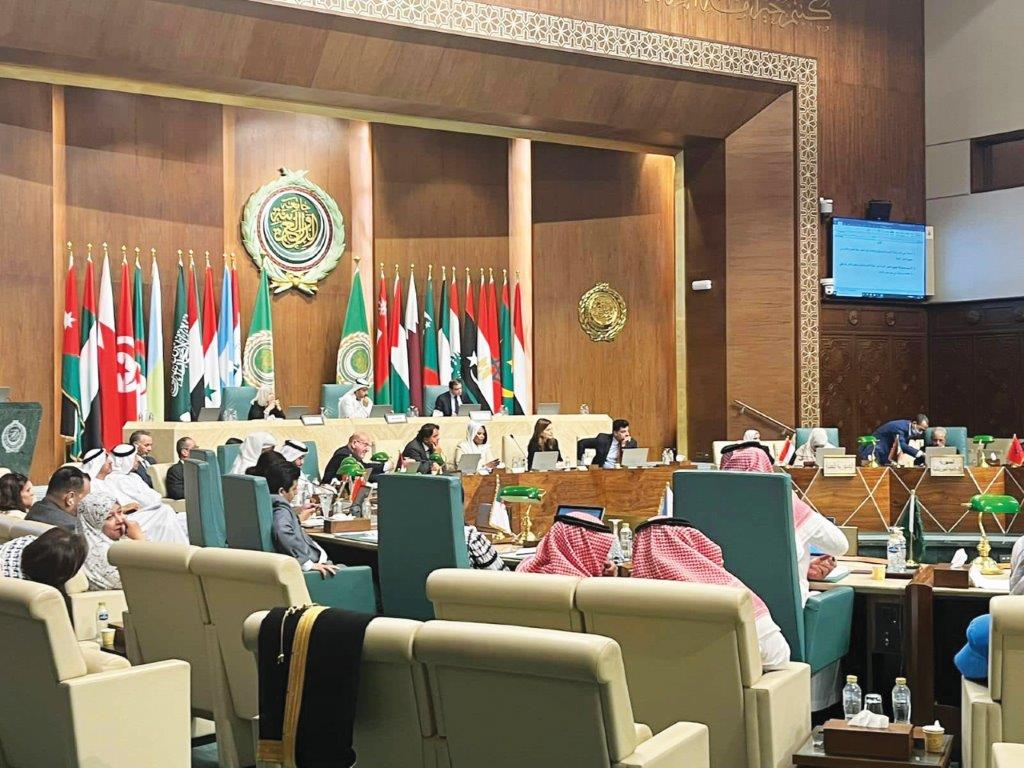 في سياق زيارة الدكتور وسام فتوح الأمين العام لإتحاد المصارف العربية، العاصمة المصرية القاهرة، لحضور إجتماعات الدورة العادية الـ 114 للمجلس الإقتصادي والإجتماعي – جامعة الدول العربية، إستقبل محمد الإتربي رئيس مجلس إدارة إتحاد المصارف العربية ورئيس إتحاد بنوك مصر ورئيس مجلس إدارة بنك مصر في مقره التاريخي العريق، الدكتور فتوح، وكان بحث في شؤون مصرفية ومالية مصرية وعربية.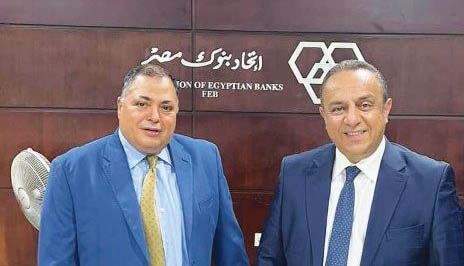






 ليس جديداً الحديث عن الدمج المصرفي وكيفية تطبيقه سواء في لبنان أو في دول العالم أجمع، فالمسار قديم ويعود الى القرن السابع عشر، لتتوالى منذ ذلك الحين تجارب الدول التي عانى قطاعها المصرفي حالات ذعر، أو أزمات وصلت في أحيانٍ كثيرة إلى حدّ الإفلاس، منها على سبيل المثال لا الحصر، ما حصل في الألفية الجديدة في كل من أيسلندا وقبرص، وما تبعه من تنظيم للقطاع المصرفي فيهما. أما لبنانياً فيرتبط مصطلح «إفلاس مصرف» بحادثة إنهيار بنك إنترا في العام 1966، ثم الإنهيار الإقتصادي والمالي والنقدي الذي حصل في العام 2019، من دون أن تتخذ السلطات اللبنانية السياسية والنقدية أي خطوة فاعلة الى الآن لمعالجته، أقلُّه إعادة الهيكلة وتنظيم القطاع المصرفي.


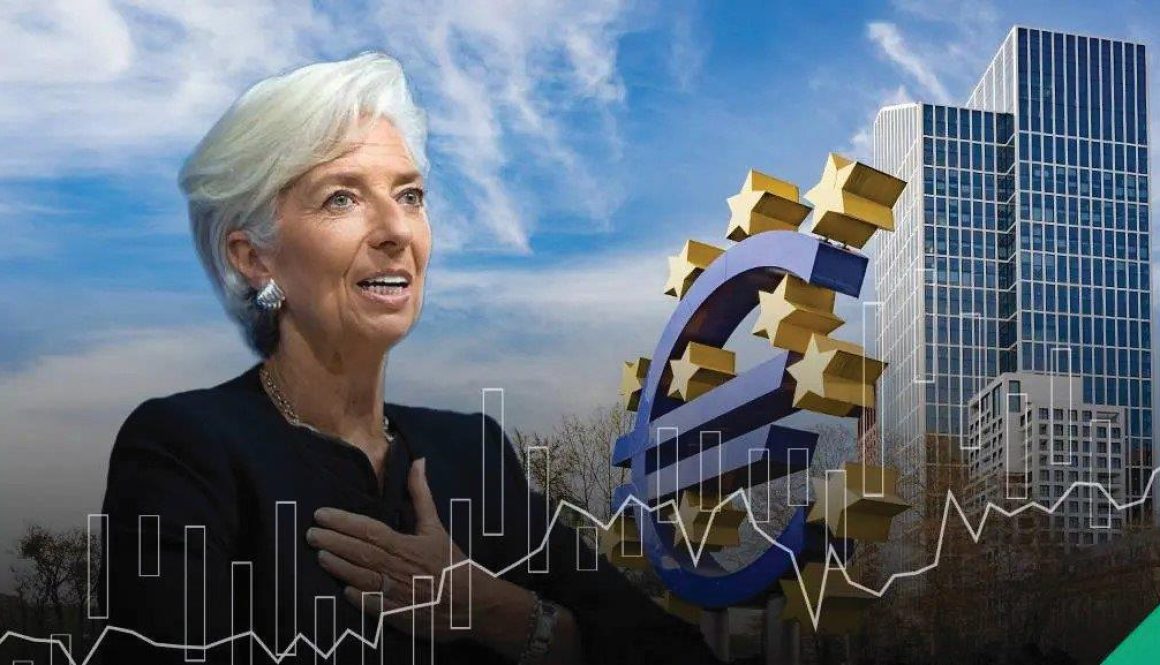
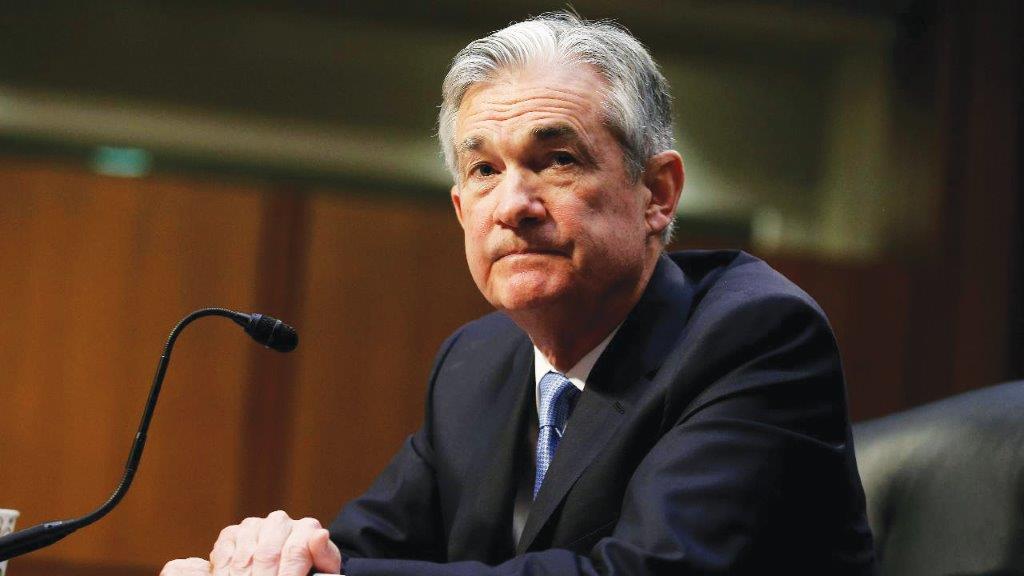
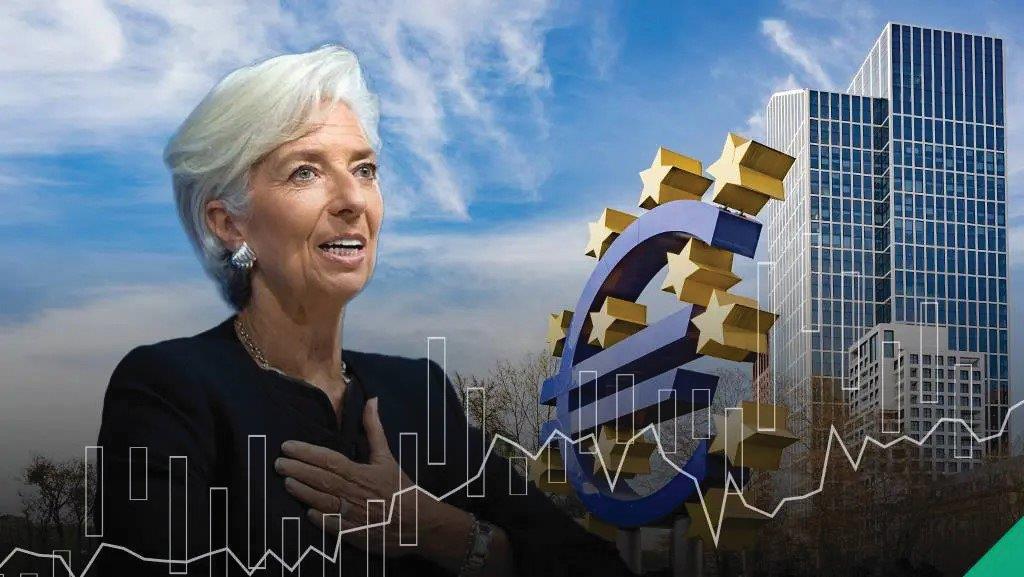 إن قرار البنك المركزي الأميركي (الإحتياطي الفيدرالي) في أيلول/ سبتمبر، الرامي إلى تخفيض سعر الفائدة بواقع نصف نقطه مئوية بدلاً من ربع نقطة وكما كان متوقعاً، إن دلّ على شيء فإنه يدل على ضرورة القيام بخطوة سريعة زمنياً وبالحجم أيضاً إحتساباً من أي تطور إقتصادي قد تكون له تداعيات على الانتخابات الرئاسية المرتقبة في تشرين الثاني/نوفمبر القادم، حيث إن الإجتماع الذي قرّر خلاله الإحتياطي الفيدرالي تخفيض الفائدة هو الأخير قبل انتخابات الرئاسة الأميركية، ومن شأنه أن يعطي دفعة قوية للمواطن الأميركي على مستوى قدرته الشرائية، حيث إن هذا المواطن نفسه موجود منذ فترة بين فكّي كمّاشة، معدل أسعار مرتفع (تضخم) وتكلفة إقتراض مرتفعة (فائدة عالية).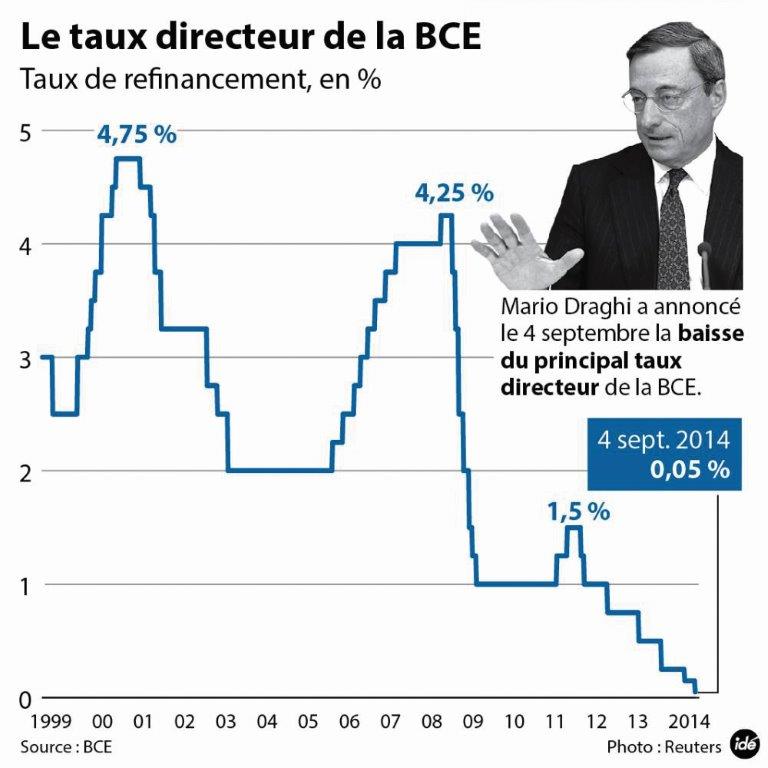
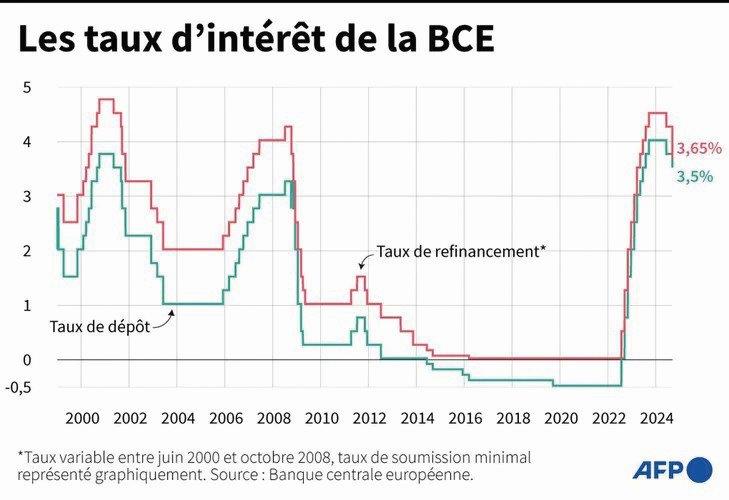
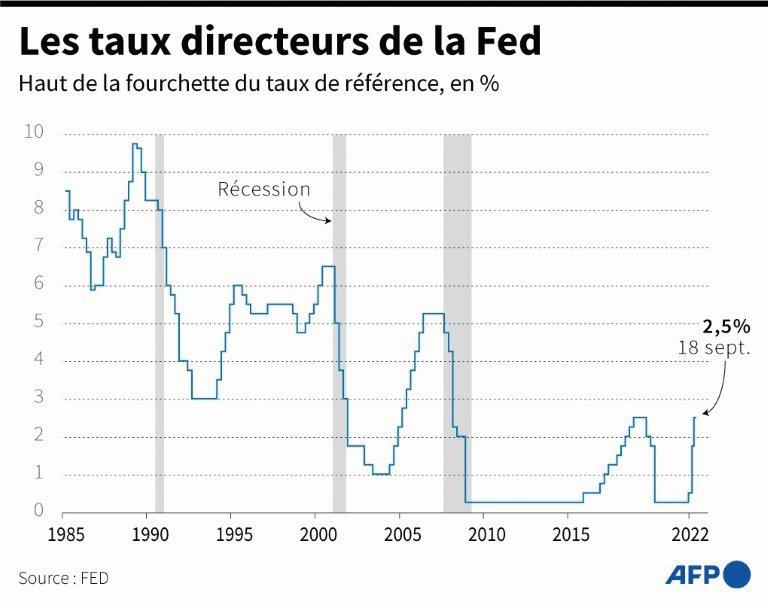 رئيس الإحتياطي الفيدرالي Jerome Powell قال عقب قرار تخفيض سعر الفائدة بواقع نصف نقطة مئوية إلى نطاق 4.75 في المئة – 5 في المئة في أول قرار خفض منذ العام 2020: إن «سوق العمل في حالة جيدة بالفعل ونيتنا من خلال تحرّكنا اليوم هي الحفاظ عليها». وكانت الأسواق الأميركية وحتى العالمية تخشى من أن تؤدي عمليات خفض بأقل من 50 نقطة أساس، إلى إذكاء المخاوف من إبطاء أكبر في سوق العمل الأميركي المتباطئة أصلاً. حاكم الفيدرالي قال إن الإقتصاد لا يزال قوياً وبعد تراجع التضخم يجب الحفاظ على معدلات البطالة منخفضة وهي حالياً عند 4.2 في المئة.
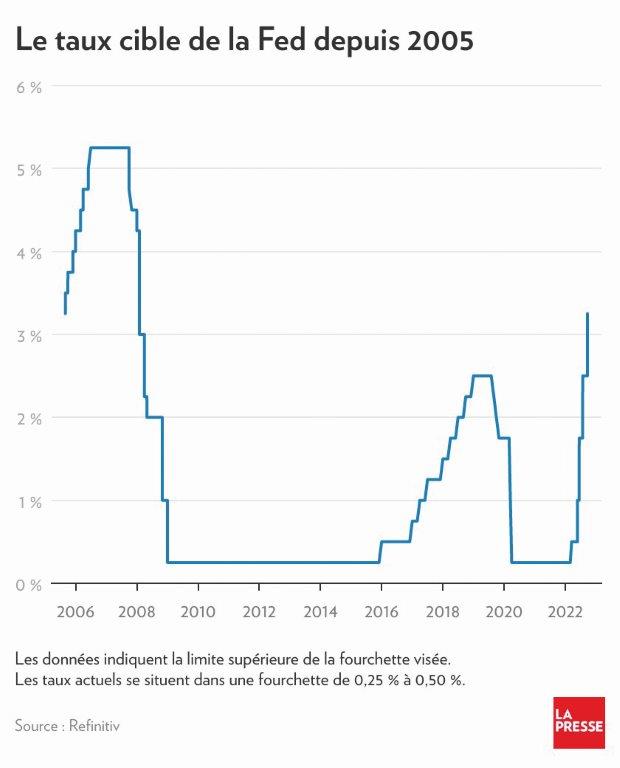 ويتوقع كبار المحلّلين في الولايات المتحدة أن يقوم الإحتياطي الفيدرالي بتخفيض آخر هذا العام ربما بربع نقطة مئوية وذلك خلال أحد الإجتماعين المتبقيين للبنك في تشرين الثاني/نوفمبر وكانون الأول/ديسمبر المقبلين. وقد باشرت بنوك مركزية حول العالم بمرحلة خفض أسعار الفائدة، ونذكر منها الكندي السويدي، والسويسري، والبريطاني، والأوروبي المركزي.