Dubai Launches Tokenized Real Estate Platform, Eyes $16B in Property Digitization by 2033
(Crypto News)-28/05/2025
Dubai has launched its first government-backed tokenized real estate platform, indicating a major step in the city’s ambition to digitize its booming property market according to an announcement made on May 25.
The initiative is led by the Dubai Land Department (DLD) and plans to tokenize $16 billion worth of real estate by 2033, or about 7% of total projected transactions.
Prypco Mint Debuts as Dubai’s First Official Tokenized Real Estate Platform
The platform, called Prypco Mint, was developed in partnership with real estate fintech firm Prypco. It allows investors to buy fractional ownership of Dubai properties starting at just 2,000 dirhams, or around $540.
For now, the platform supports transactions only in the local currency and is available exclusively to United Arab Emirates ID holders. DLD said global access and additional platform integrations will be introduced in later phases.
NEW: 🇦🇪 Dubai Land Department Launches FIRST-EVER Real Estate Tokenization Platform On $XRP Ledger!
— Good Morning Crypto (@AbsGMCrypto) May 26, 2025
Now allowing residents buy fractional shares in properties, with the agency's initiative for $16 billion in tokenized real estate by 2033!💥📈
Will Other Countries Follow This… pic.twitter.com/C6EcnnMKJE
Zand Digital Bank is providing banking services, while the project is operating under the oversight of the UAE Central Bank, Dubai’s Virtual Assets Regulatory Authority (VARA), and the Dubai Future Foundation through its Real Estate Sandbox.
The platform uses a tokenization infrastructure built by Ctrl Alt. The company chose the XRP Ledger as the blockchain for anchoring digital property records.
Ctrl Alt said it has directly integrated with DLD’s systems to keep the blockchain entries synchronized with Dubai’s traditional land registry.
“We are proud to create the tokenization infrastructure that enables DLD’s partners to offer fractional real estate to investors,” said Matt Ong, CEO and founder of Ctrl Alt. “Dubai’s leadership in embracing next-generation financial technologies is truly world-class, and this project is a powerful signal of what’s to come.”
DLD believes tokenized real estate will make property ownership more accessible by lowering entry barriers through fractionalization. The agency said over 3,000 investors have already expressed interest in the platform.
Tokenization, which uses blockchain to move and record ownership of traditional assets like real estate, is gaining traction globally. Analysts from Ripple, BCG, and McKinsey have projected that the tokenized asset market could reach multiple trillions of dollars in the coming years.
DLD said future updates will open the platform to international investors and broaden the scope of assets available. With the digital records directly tied to the government’s property ledger, the system will support both on-chain and off-chain transactions in a unified structure.
If the plan unfolds as expected, Dubai’s tokenization efforts could drive $16 billion in real estate activity within the next decade, reshaping how property is bought, sold, and owned in one of the world’s most dynamic real estate markets.
Dubai Deepens Digital Finance Push with Stablecoin
Dubai’s tokenized real estate initiative marks just one piece of the emirate’s larger strategy to entrench itself as a global hub for regulated digital finance.
On May 12, Dubai’s Department of Finance (DOF) signed a deal with global crypto exchange Crypto.com to facilitate crypto payments for government services.
The service, unveiled during the Dubai Fintech Summit, will allow users to pay fees using digital assets, with transactions converted into dirhams and deposited directly into DOF accounts.
🤝 Dubai has signed an agreement with global crypto exchange @cryptocom to enable cryptocurrency payments for government services.#Dubai #Cryptohttps://t.co/Ei4F5lpzAI
— Cryptonews.com (@cryptonews) May 13, 2025
While specific tokens haven’t been confirmed, officials say “stable cryptocurrencies” will be supported, pointing to an expanding role for stablecoins in the region’s digital payment infrastructure.
This move aligns with Dubai’s Cashless Strategy, which targets 90% cashless transactions across sectors by 2026. Already, 97% of government payments were made digitally in 2023.
Meanwhile, Abu Dhabi institutions are backing a dirham-pegged stablecoin, and regulators are building frameworks to support tokenized assets.
On March 17, 2025, the DFSA launched a Tokenization Regulatory Sandbox under its Innovation Testing License, allowing firms to trial digital investment products within the DIFC.
As European regulation tightens, global firms are turning to the UAE. Ripple, which sees a fifth of its user base in the Middle East, is doubling down on enterprise services in the region following its recent license approval.









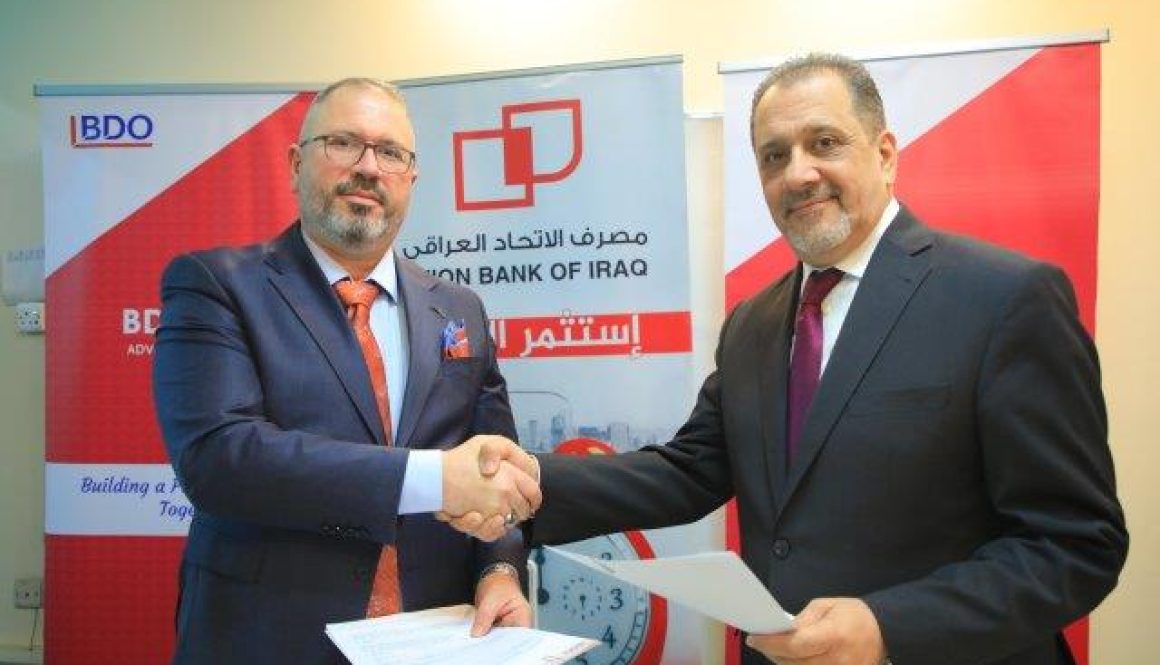
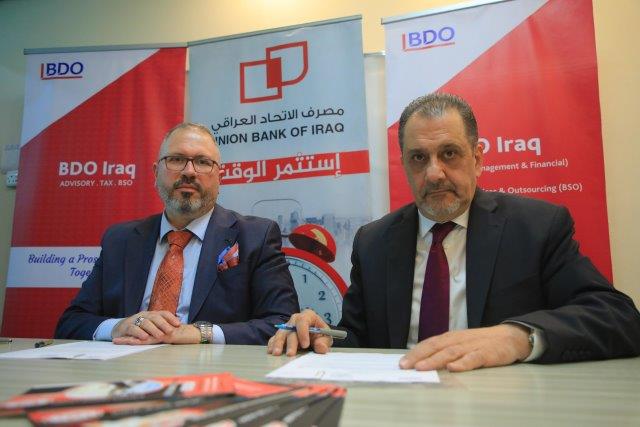
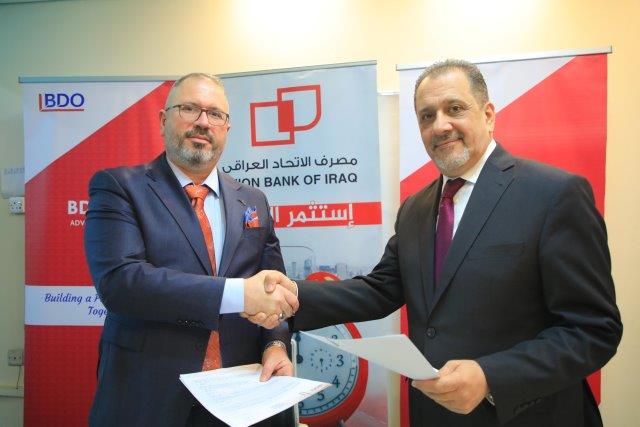 “تمثل هذه الاتفاقية خطوة استراتيجية ضمن مسيرة تطوير المصرف وتوسيع نطاق خدماته. نحن نعي أن الامتثال لم يعد خيارًا، بل هو ضرورة لتعزيز ثقة العملاء والمستثمرين وتهيئة بيئة مستقرة للنمو المستدام. كما أننا ندرك تمامًا حجم التحديات التنظيمية التي تواجهها المصارف العراقية، ونرى في هذه الشراكة مع BDO ركيزة أساسية لدعم التزامنا بتطبيق المعايير الدولية ورفع مستوى الشمول المالي.”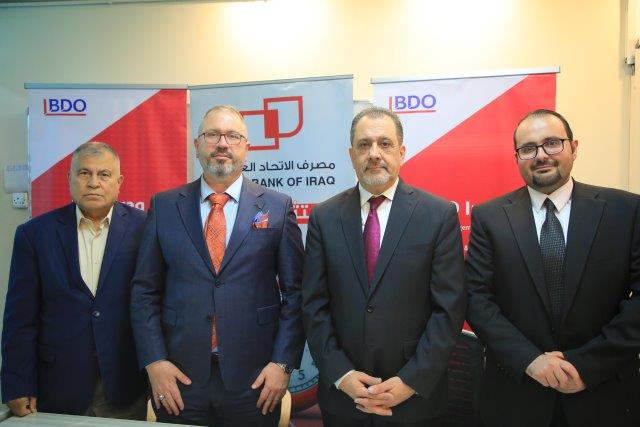
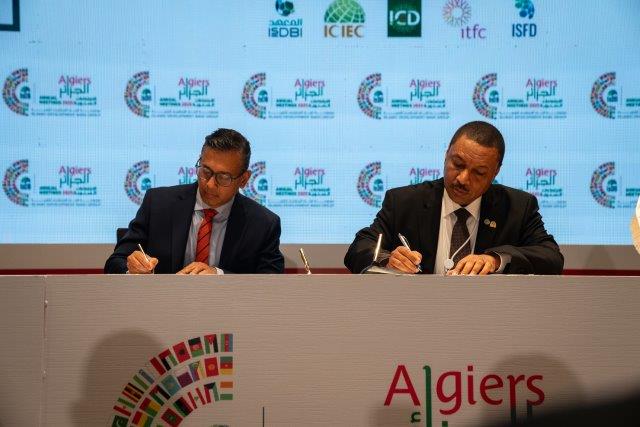
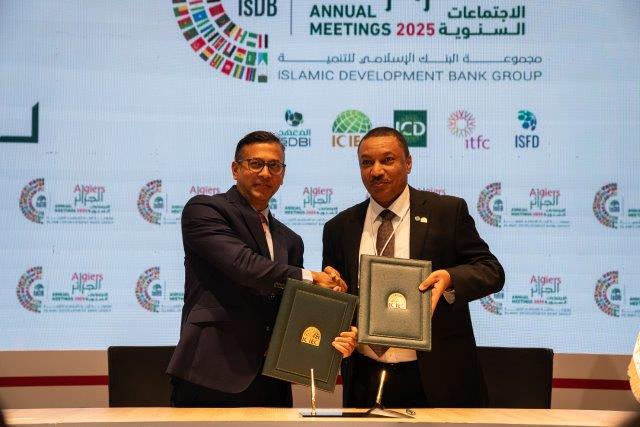 وفي هذا السياق، صرّح الدكتور خالد يوسف خلف الله، الرئيس التنفيذي للمؤسسة، قائلاً: “تُجسد هذه الاتفاقية كيف تسهم حلول المؤسسة في تخفيف المخاطر وتعبئة رأس مال بشكل ميسّر ومتوافق مع أحكام الشريعة الإسلامية لدعم مشاريع عامة ذات أثر تحويلي. ومن خلال هذه الخطوة، تواصل المؤسسة الإسلامية لتأمين الاستثمار وائتمان الصادرات دعم كوت ديفوار في إنشاء مركز إداري حديث، من شأنه تعزيز الكفاءة المؤسسية، وتنشيط قطاع البناء المحلي، ودفع مسيرة التنمية الوطنية بما ينسجم مع أهداف التنمية المستدامة للأمم المتحدة.”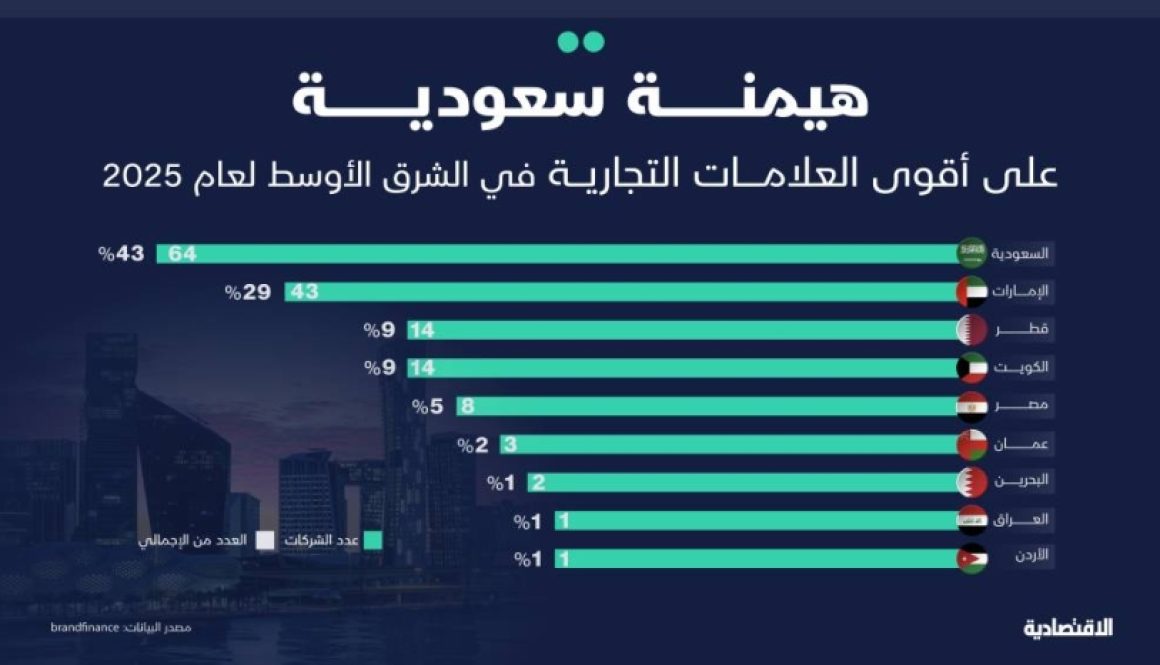
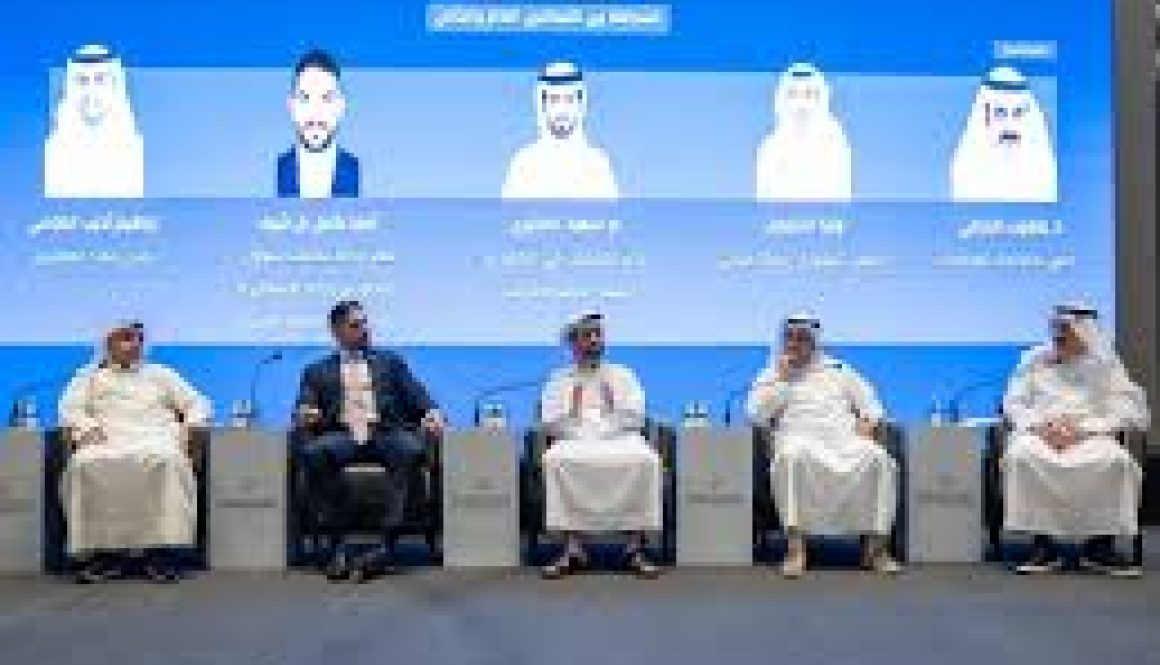
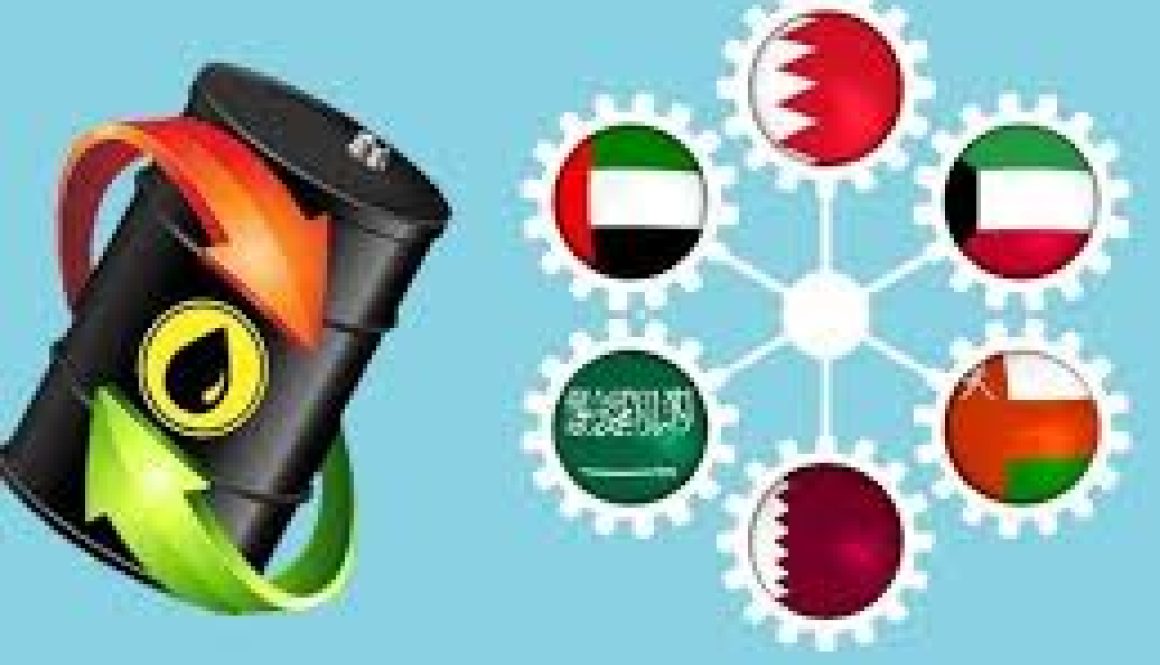
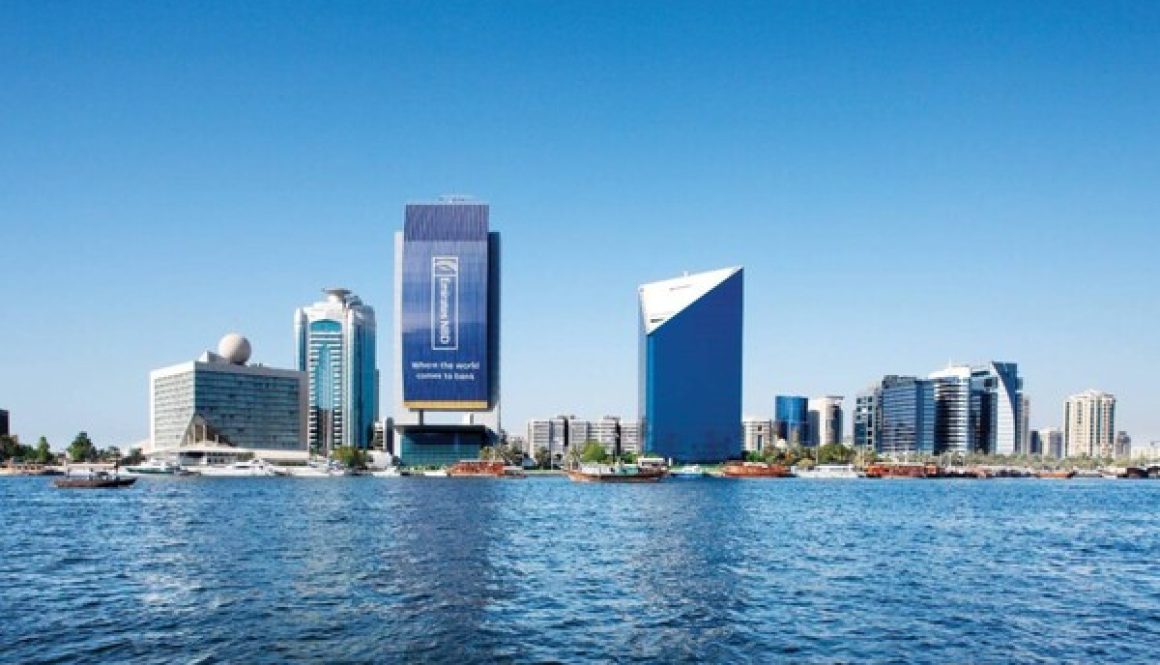


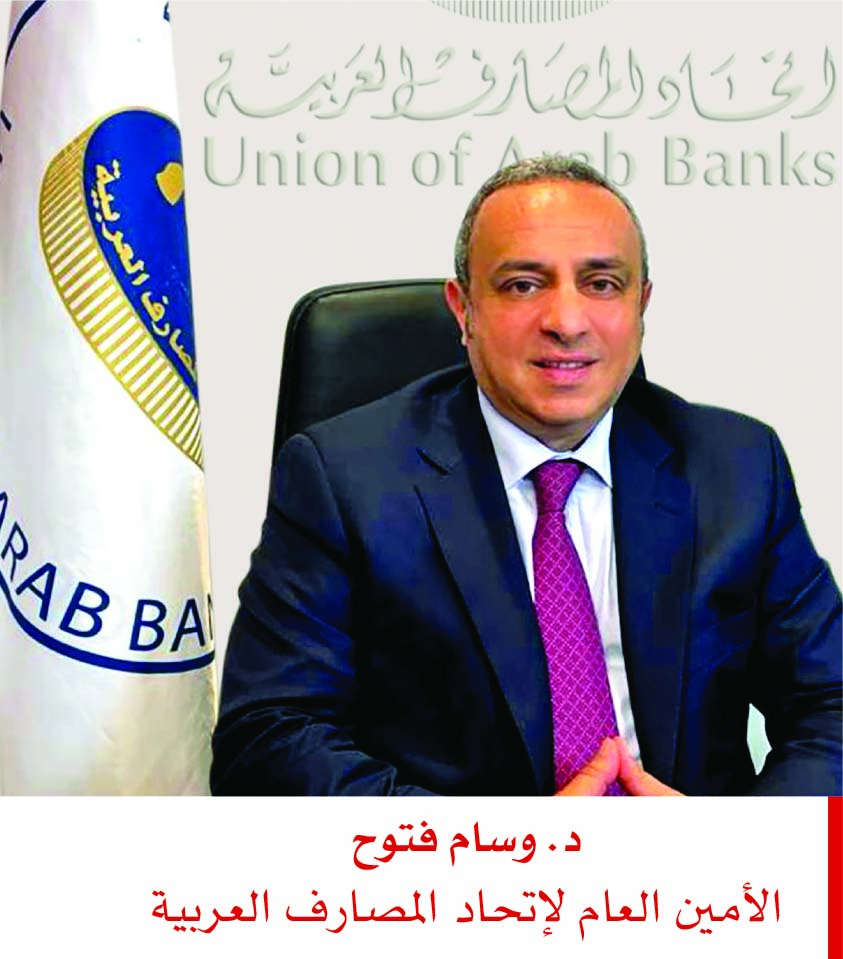 لا شك في أن العام 2024 قد شهد أداءً معقولاً للقطاع المصرفي العربي، حيث حقق معدل نمو بنسبة 8 % مقارنة بالعام 2023، رغم أن هذا النمو يختلف من دولة إلى أخرى. علماً أن دول الخليج قد إستفادت من إرتفاع أسعار الفائدة وأسعار النفط، مما إنعكس إيجاباً على أداء مصارفها، كما حققت دول أخرى مثل العراق والمغرب والجزائر نتائج جيدة في ظل إستقرار نسبي، مقارنة مع دول أخرى عانت توترات سياسية وصراعات أثّرت سلباً على قطاعاتها المصرفية. علماً أن المصارف العربية بشكل عام حققت أداءً جيداً، حيث بلغت نسبة الموجودات فيها نحو 4.9 تريليون دولار، مع إدّخارات قدرت بنحو 3 تريليون دولار.